
News Category
Product Category
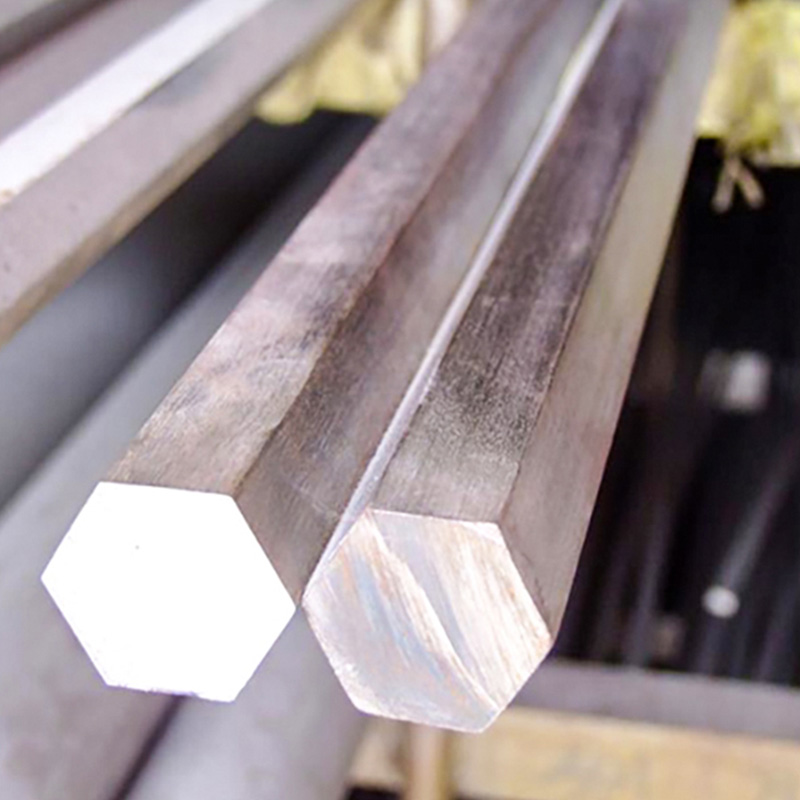
Special-shaped steel is bought for a specific section that a standard profile cannot provide, and the order is judged on whether the delivered bars match the drawing across the whole length. Buyers comparing quotations usually look at grade, weight per metre, and price, while the differences that decide whether special-shaped steel performs sit in how the pass design was developed, how straightness and twist are controlled, and how the supplier verifies dimensions on a section that has no simple caliper measurement.
A special section is produced by passing the billet through a sequence of rolls, and the pass design decides whether the finished profile fills correctly. An under-filled corner, a rolled-over edge, or a web that is thinner than the drawing shows up as a section that will not fit the application. Buyers should ask whether the supplier has produced this section before, how the pass design was developed, and whether a trial bar was sectioned and measured. A supplier that treats a special section as a variation of a standard one is a supplier that will discover filling problems after the first heat.
A special section can meet its dimensional drawing and still fail because it is bent or twisted. Buyers should ask how straightness is measured, how twist is checked along the length, and what tolerance applies. A bar that is straight at the ends but twisted in the middle will not feed through a machine or fit a welded assembly, and the problem is often invisible in a short sample. Three points deserve attention when the section is long:
Corners and fillets are where a special section most often shows defects. Buyers should ask how corner filling is checked, whether the supplier inspects for laps and seams, and how surface defects are classified. A lap that runs along an edge may be within a dimensional tolerance but can open up during machining or welding. The supplier should be able to explain which defects are acceptable and which require rejection, rather than leaving it to the buyer's inspector.
The grade and the section size interact, because a large section cools more slowly and may develop different properties from a small one. Buyers should ask whether mechanical properties are tested on the actual section or on a test piece from a different size, and how heat treatment is applied if required. A grade that meets its specification on a standard test bar may behave differently in a heavy special section.
Rather than comparing weight per metre and price, buyers can ask for a sectioned trial bar, straightness and twist data along the full length, corner filling inspection, and mechanical test results from the actual section. Suppliers who answer with measurement records are easier to trust than those who answer with a drawing and a promise. Special-shaped steel is a familiar product category; the difference lies in whether the pass design and the straightening were controlled for the section the buyer actually ordered.
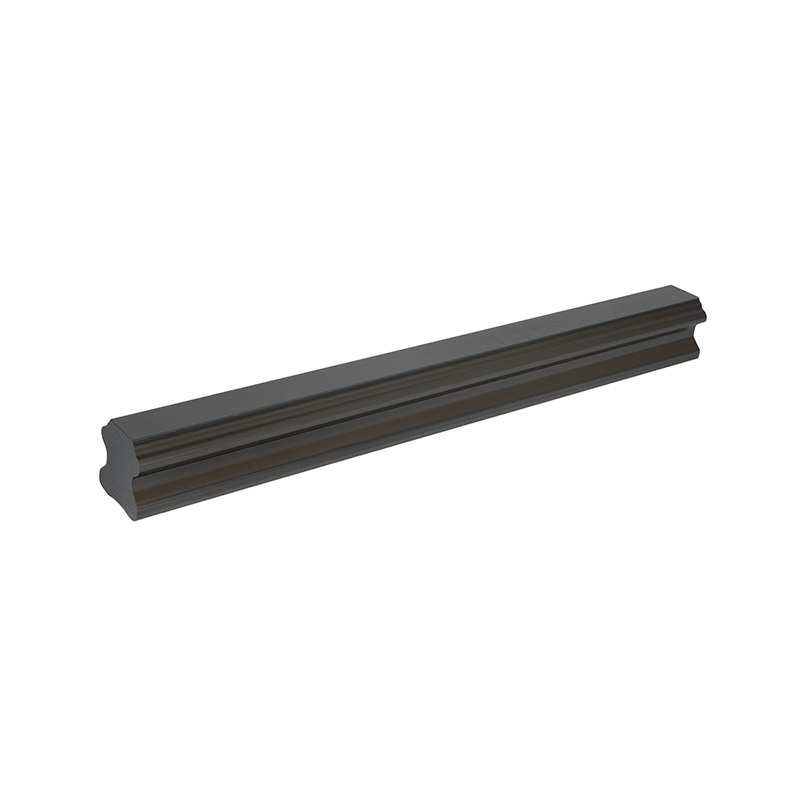 Heavy-Duty Roller Linear Guide Profiles
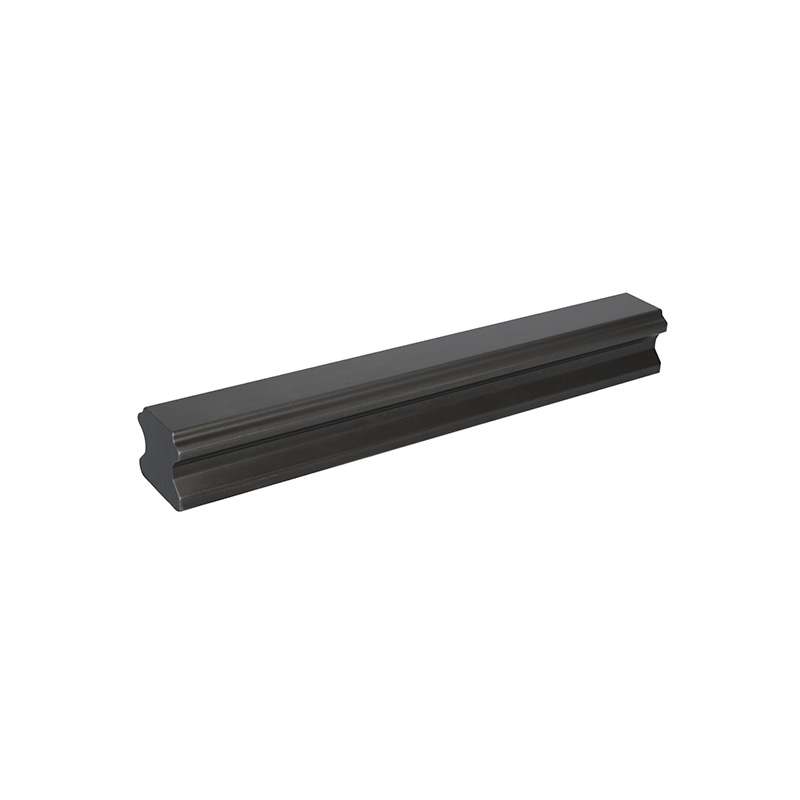 Heavy-Duty Linear Guide Profiles
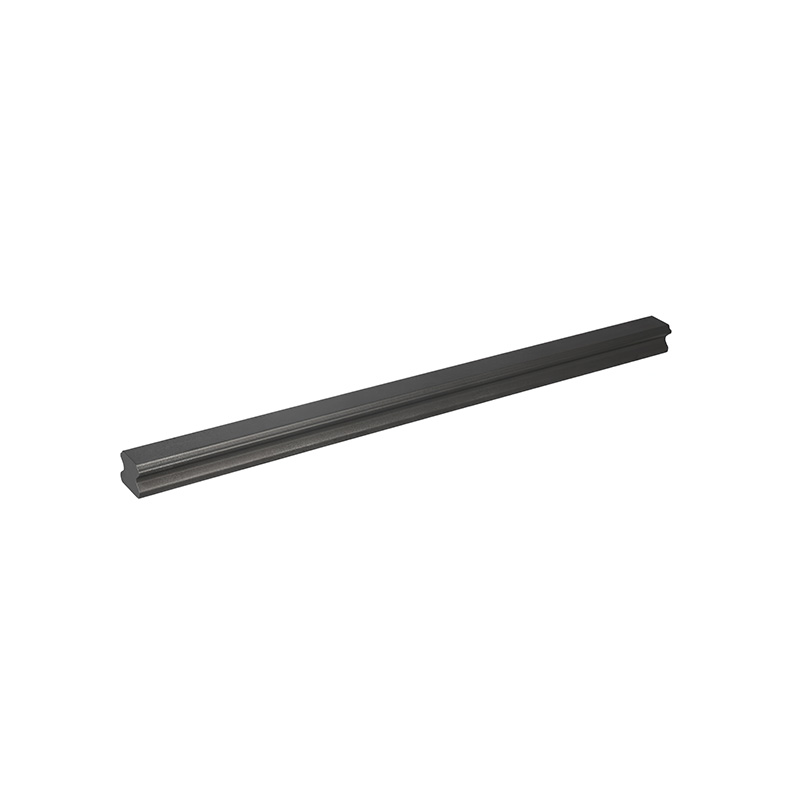 Low-Profile Linear Guide Profiles
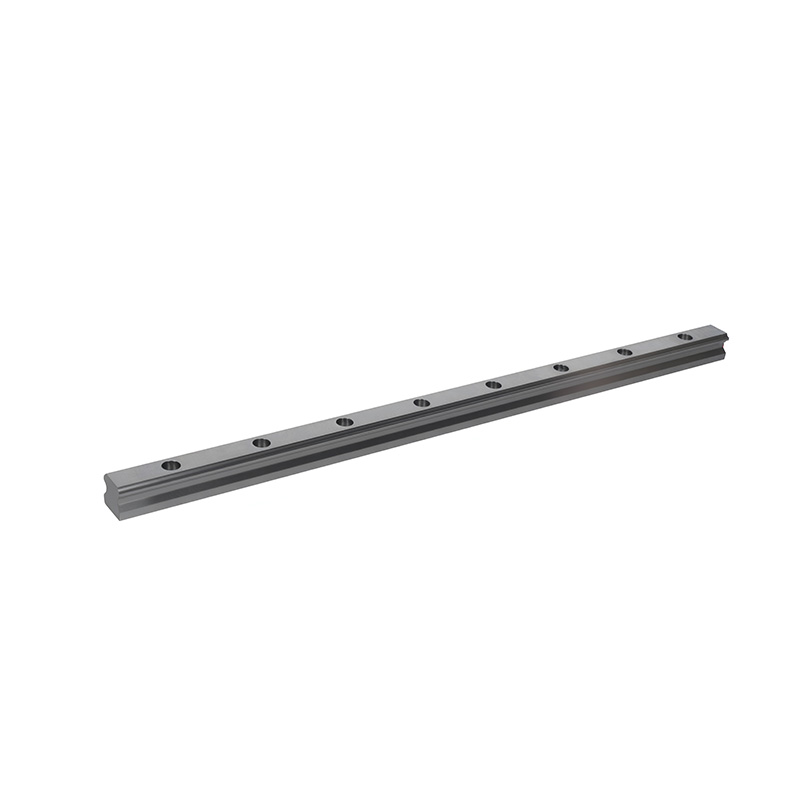 Precision Hardened Linear Guide Profiles with Mounting Holes
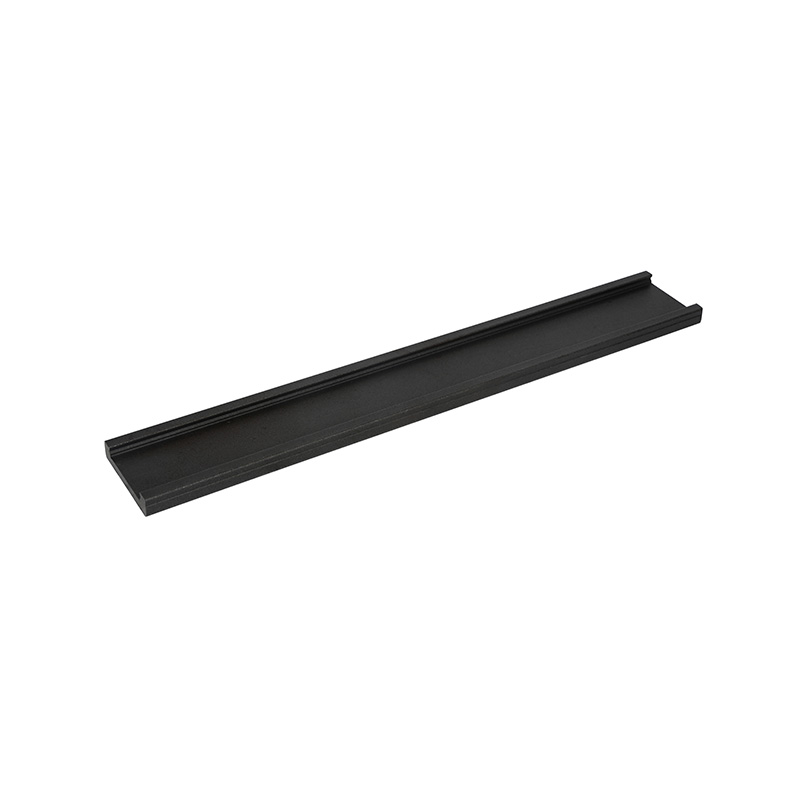 Custom Linear Guide Profiles
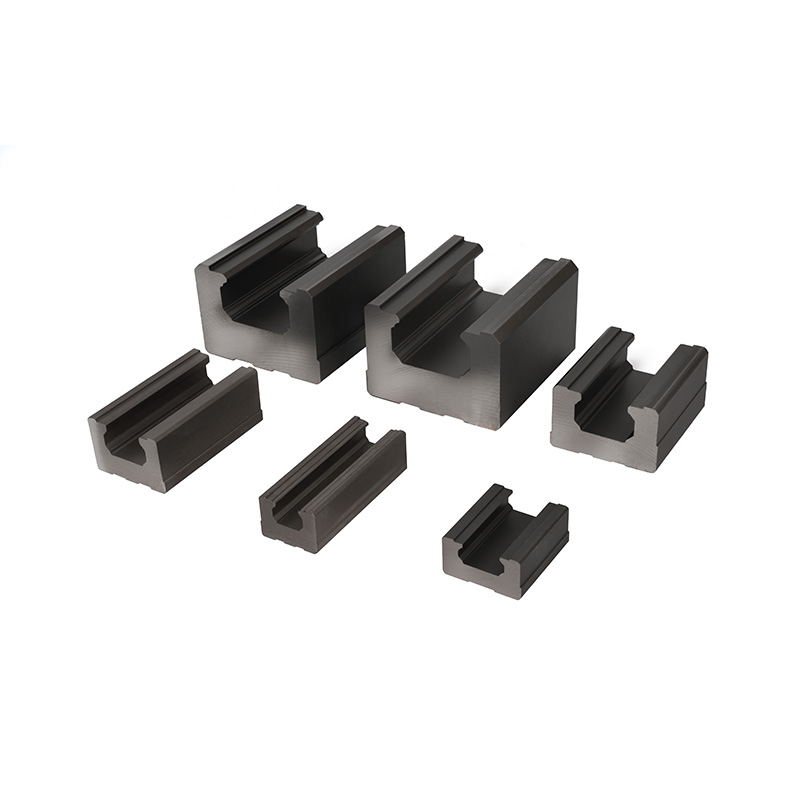 Square Linear Guide Block Profiles
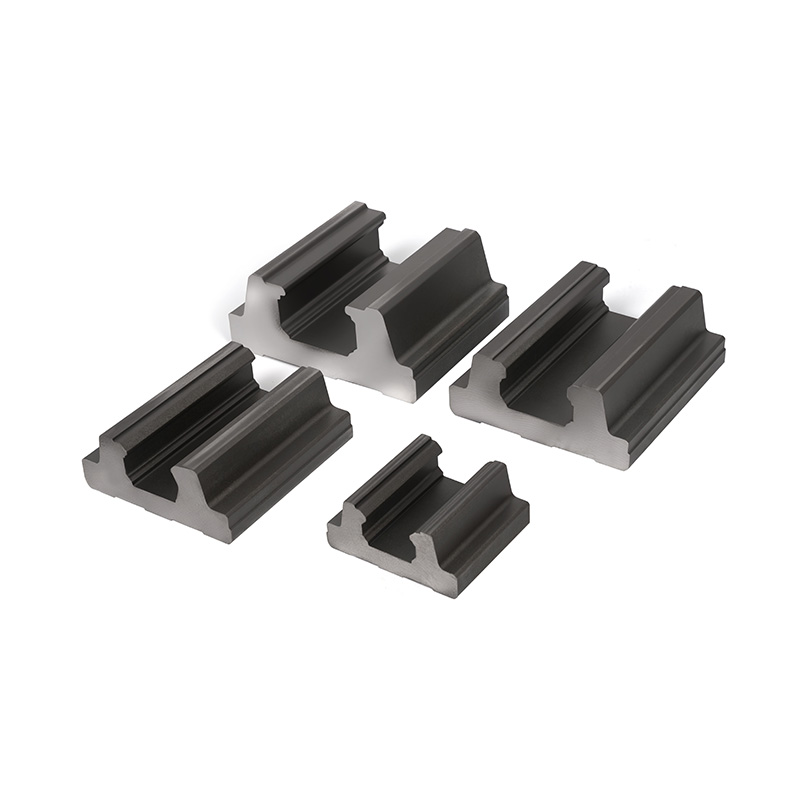 Flange-Type Guide Block Profiles
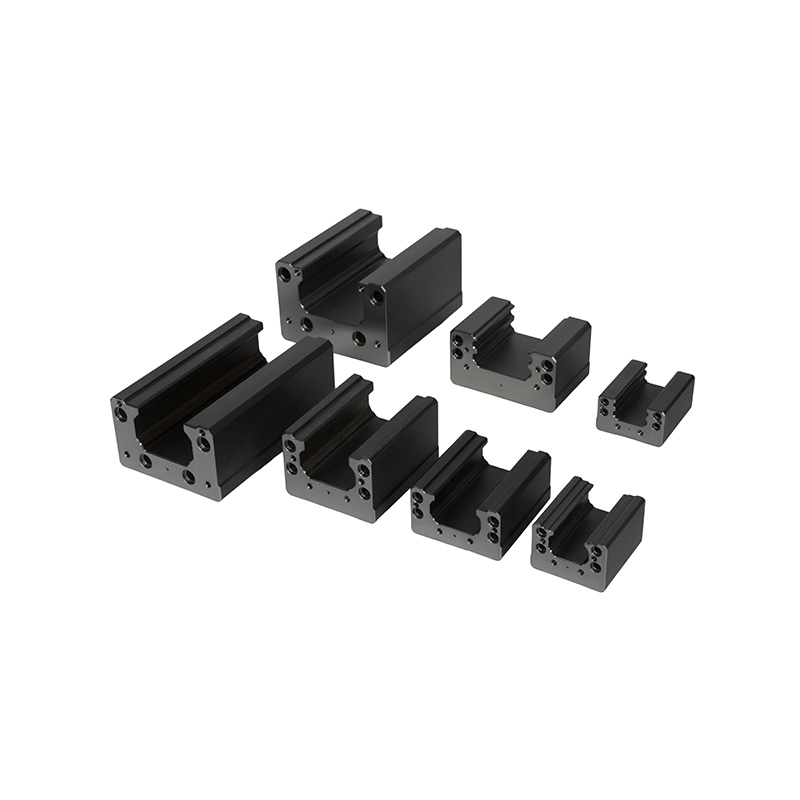 Precision-Machined Linear Guide Blocks



 English
 中文简体
 Español