At Tianyu, we believe service is not merely problem-solving—it's about creating lasting value for our customers. We provide lifecycle after-sales support, covering technical consultation, usage guidance, preventive maintenance, troubleshooting, and spare parts supply, ensuring that our linear guide rail profile steel performs efficiently and reliably in our customers' production operations.
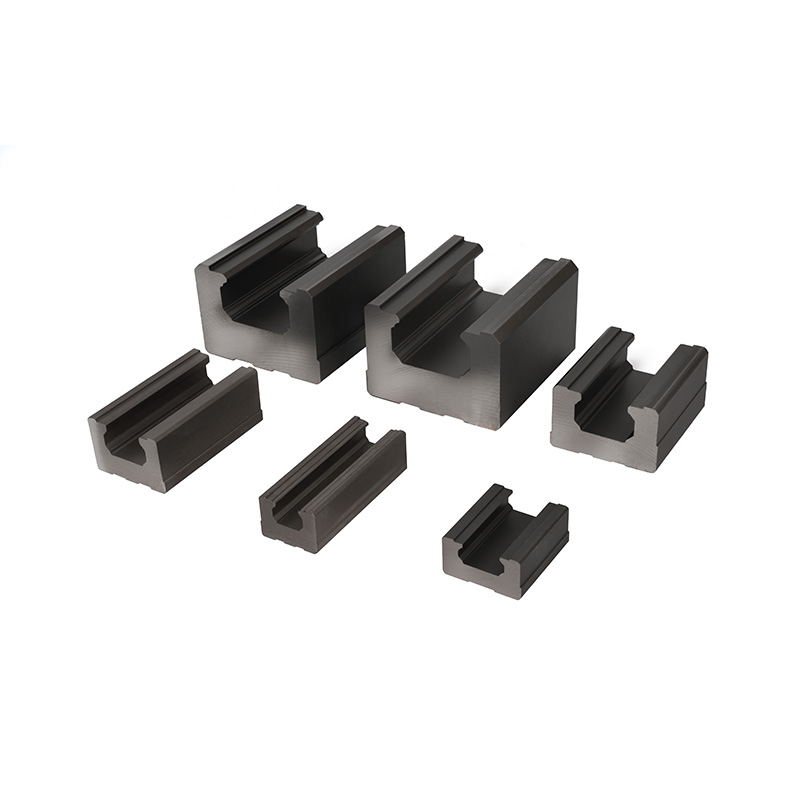
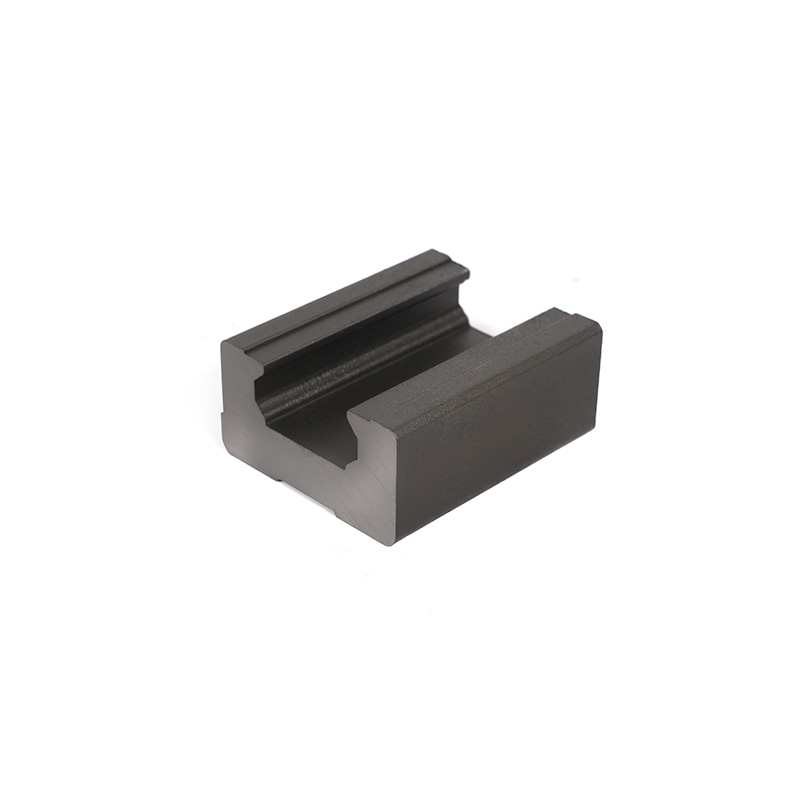
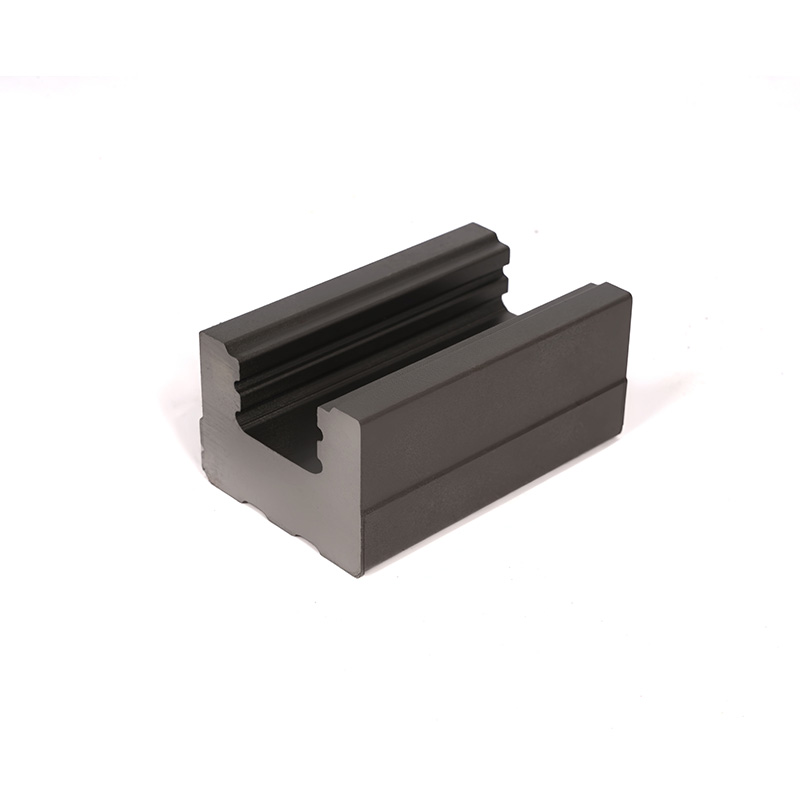
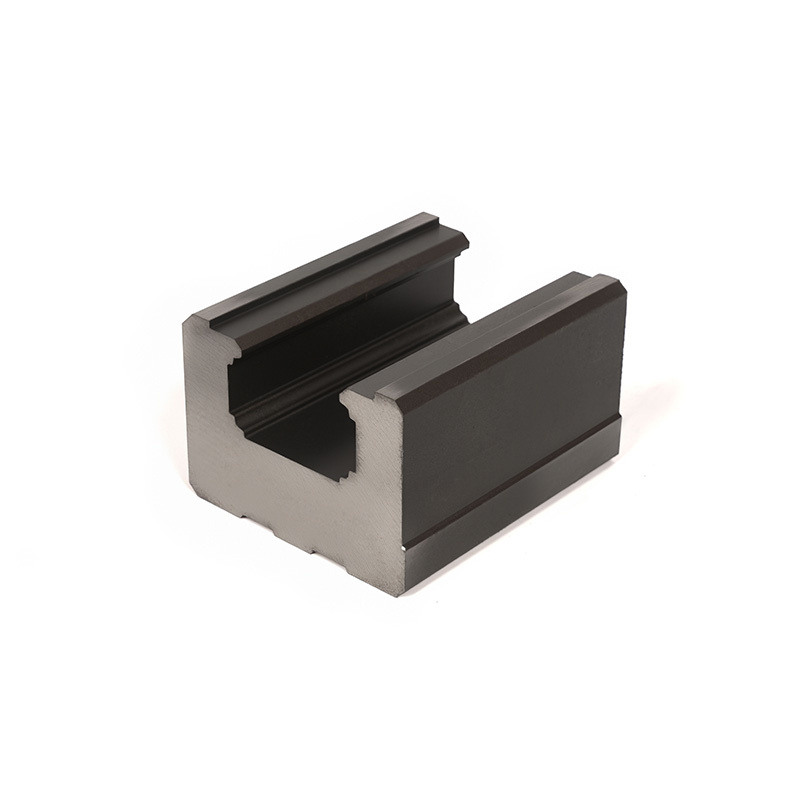
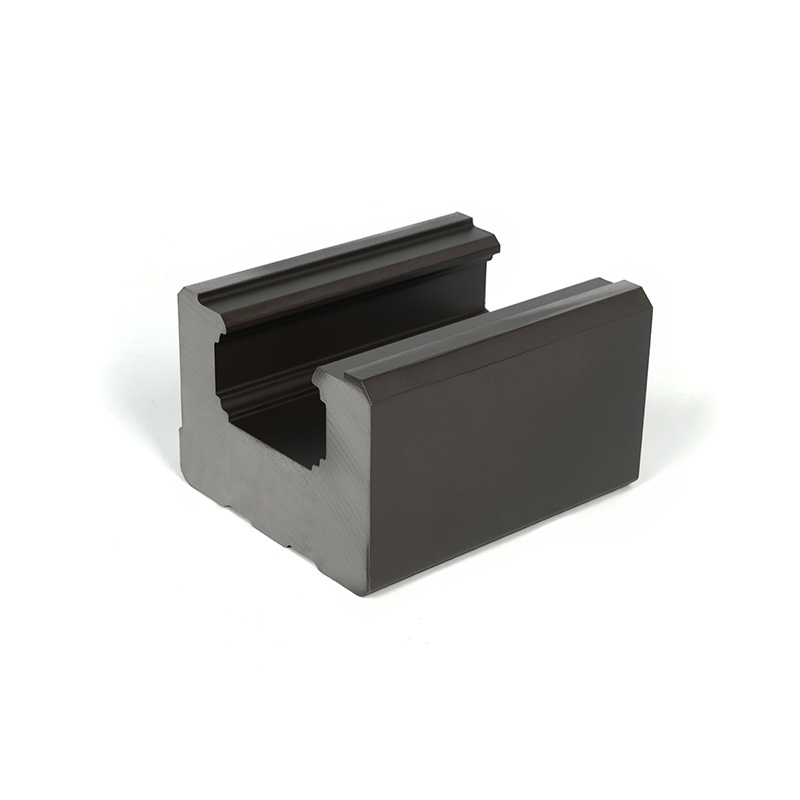
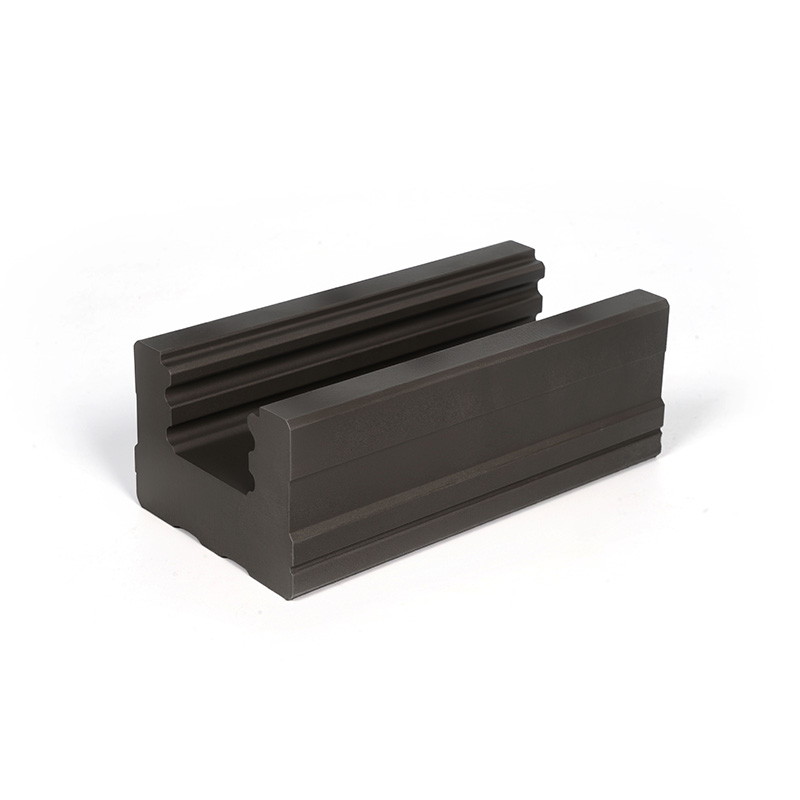
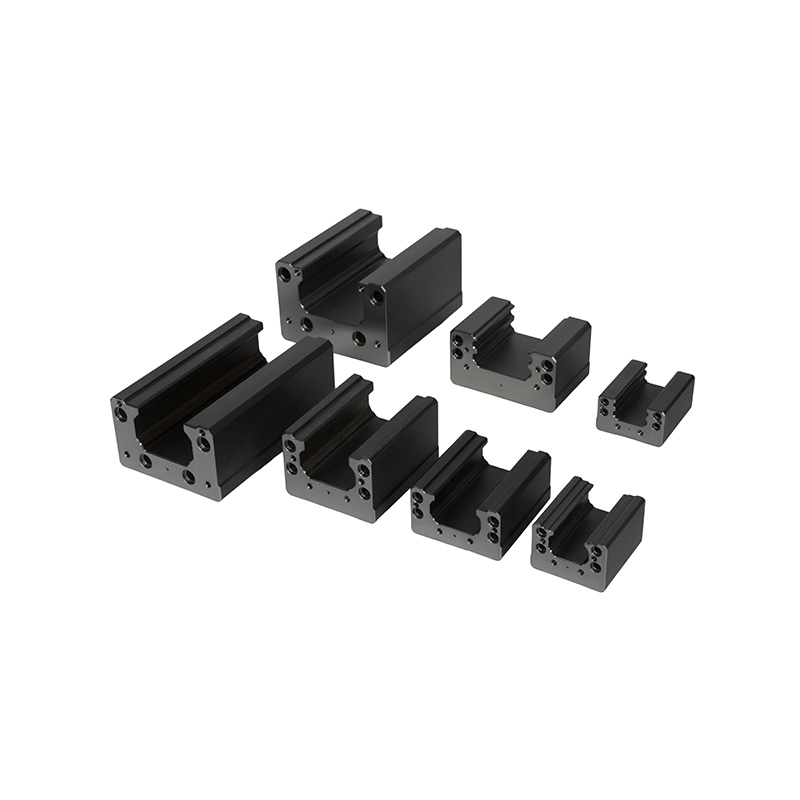
Square Linear Guide Block Profiles
The square slider profile features a compact structure and balanced load distribution, making it ideally suited for slider manufacturing applications that demand high stability and rigidity. Produced using premium-grade materials—such as 20CrMo—this product exhibits excellent strength, toughness, and machinability, thereby meeting the requirements of subsequent processing stages including drilling, milling, grinding, and heat treatment. This type of profile is widely utilized in linear guide sliders, automation modules, CNC equipment, precision machinery, and industrial transmission systems, where it contributes to enhancing both the service life and operational reliability of slider products.
About TianyuZhejiang Tianyu Automation Technology Co., Ltd.
Tianyu specializes in the foundational materials sector for linear motion functional components, focusing on providing guide rail manufacturers with high-precision, high-stability profiled steel. Through continuous technological investment, the development of an in-house professional technical team, the introduction of internationally advanced equipment, and deepened industry-academia-research collaboration, the company consistently optimizes its manufacturing and quality control systems. Tianyu is dedicated to driving high-quality product development through innovation.
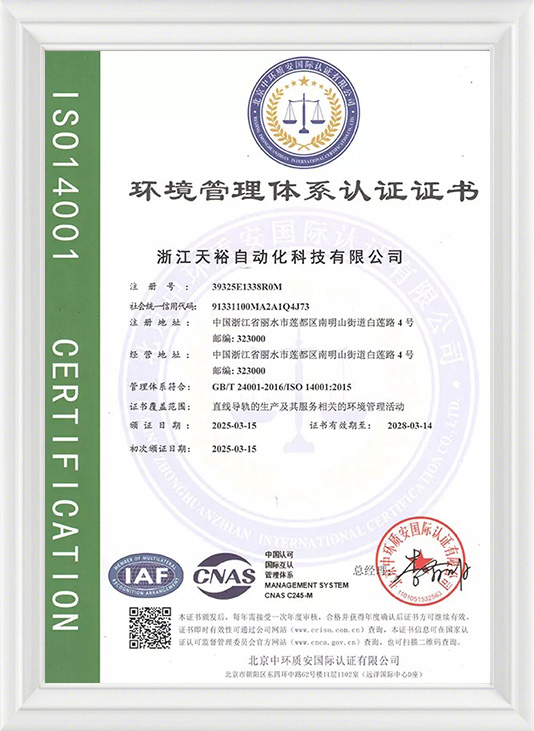
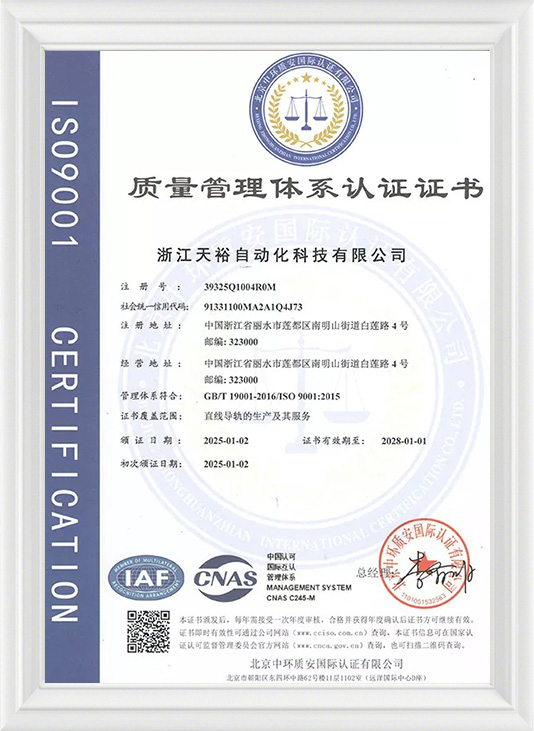
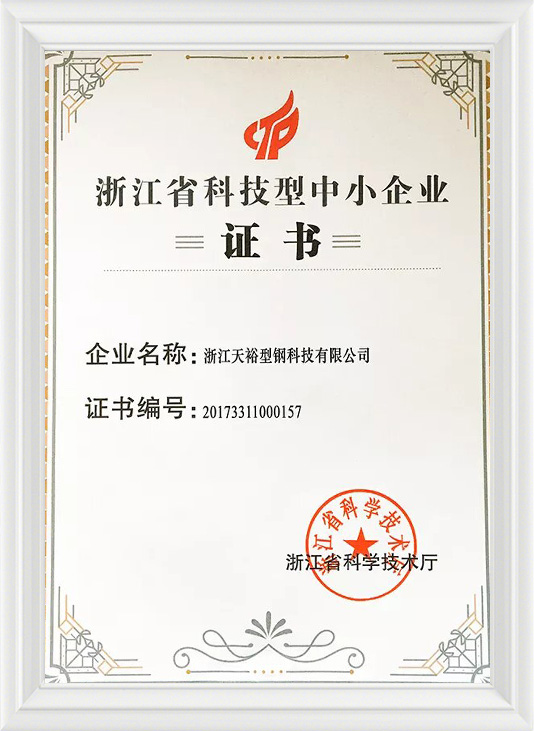
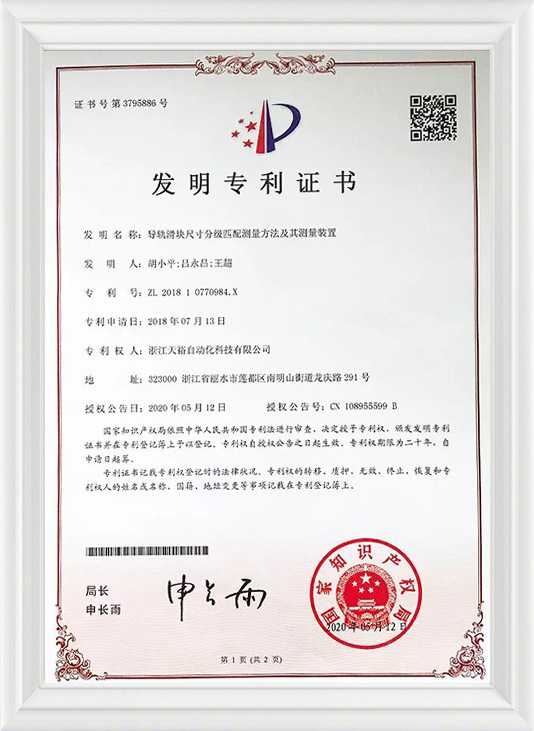
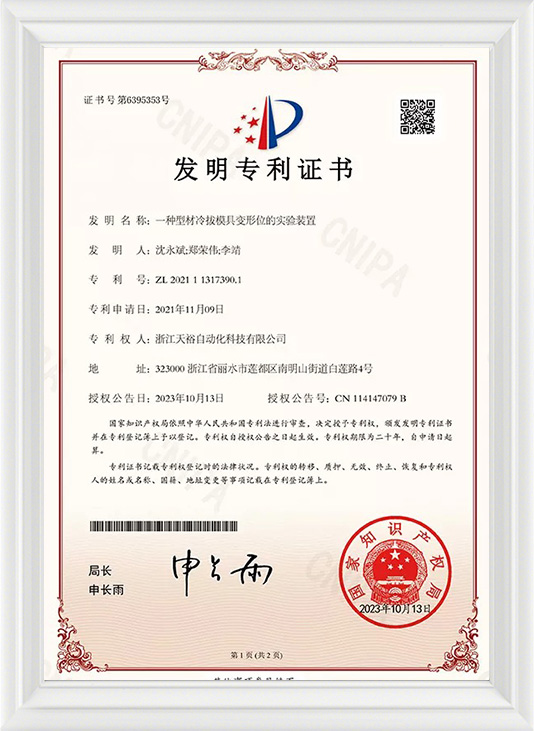
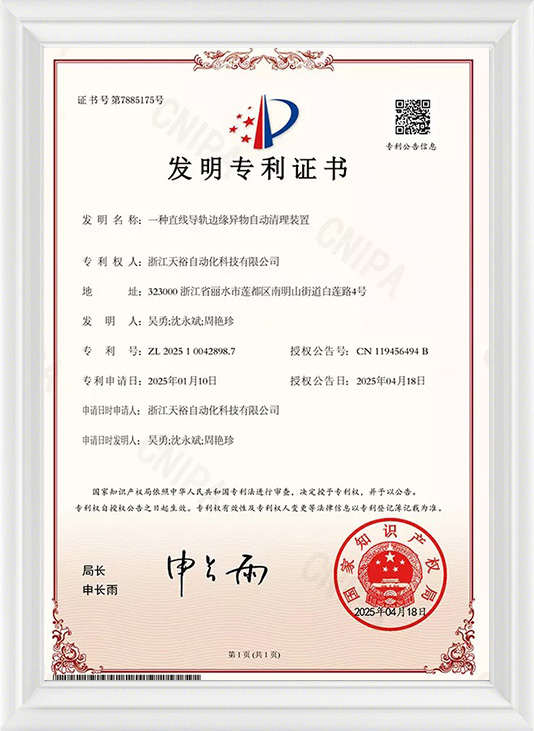
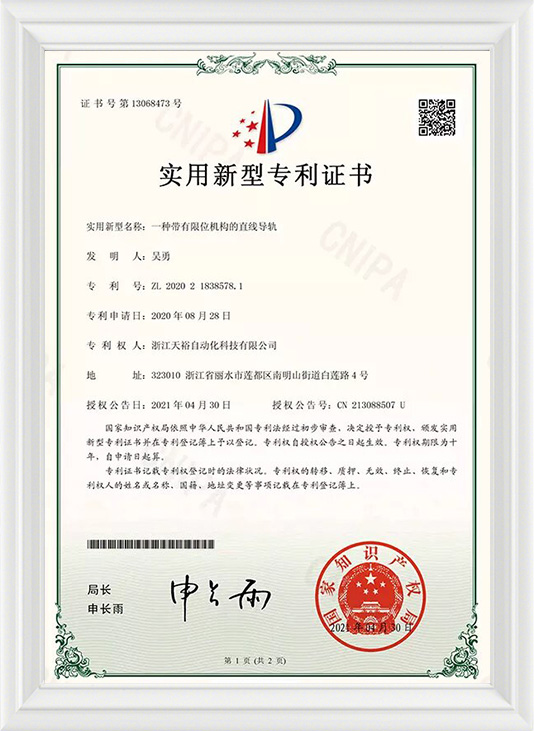
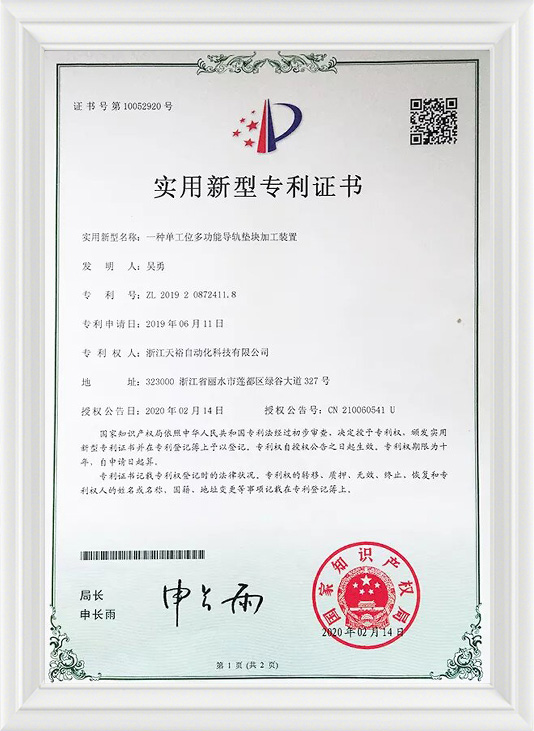
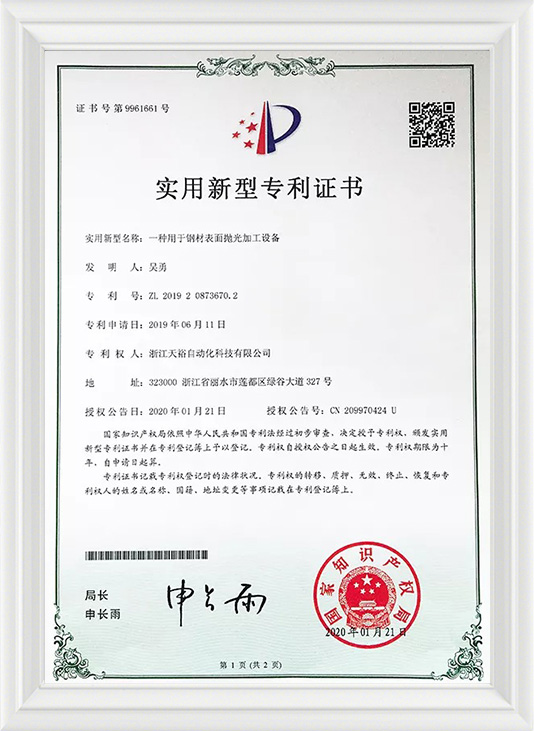
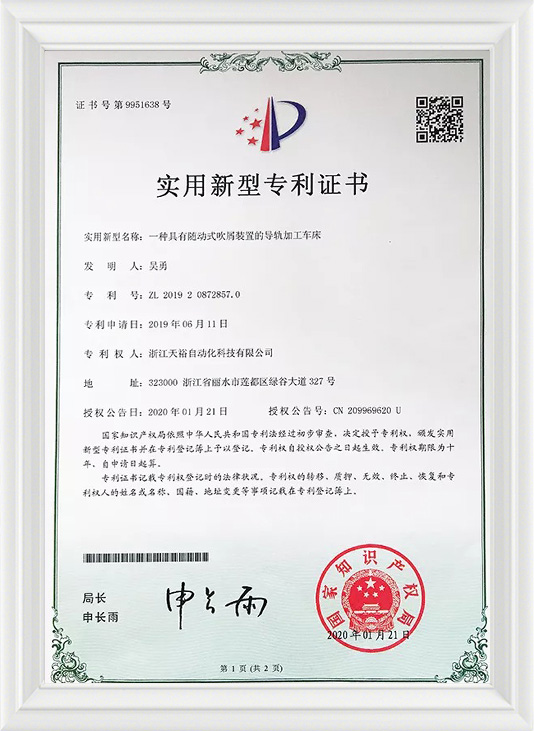
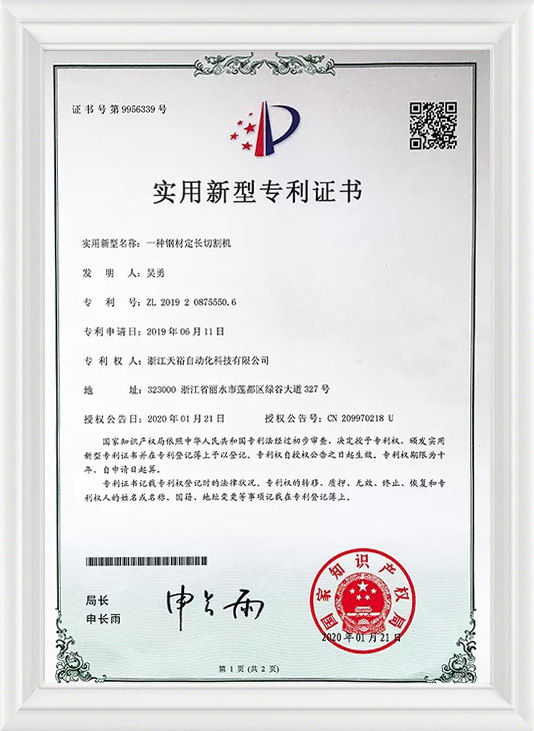
The company has been granted multiple utility model patents, has received a number of provincial and municipal honors, and has obtained the international ISO 9001 quality management system certification, establishing a strong brand image and market reputation within the industry.
Linear Guide Rail Steel: The Hardening Method and Raceway Finish Decide the Rail
Linear guide rail steel is often selected by hardness and price per metre, but what decides whether the rail lasts is whether the steel matches the way the rail is actually loaded. A rail that carries a light carriage along a clean bench and a rail that carries a heavy load through dust and vibration are not the same application, and the steel that suits one may fail in the other. Buyers comparing quotations usually look at grade and dimensional tolerance, while the differences that decide whether linear guide rail steel performs sit in through-hardening versus case-hardening, the raceway finish, and how straightness is held over the full length.
The hardening method decides how the rail wears
A through-hardened rail carries hardness deeper into the section but may be more brittle, while a case-hardened rail keeps a tough core under a hard surface. Buyers should ask which method is used, what case depth is specified, and how hardness is verified along the rail rather than at one point. A rail that measures correct hardness at the end may be softer in the middle if the heat treatment was uneven.
The raceway finish affects friction and wear
The raceway is where the rolling elements run, and its finish affects friction, noise, and wear. Buyers should ask how the raceway is ground, what surface roughness is specified, and how the profile is checked. A raceway that is too rough wears the balls and generates noise, while one that is too smooth can reduce lubrication retention. The profile tolerance matters as much as the roughness, since a raceway that is slightly off-profile loads the balls unevenly.
Straightness must be measured over the full length
Straightness is easy to claim on a short sample and difficult to hold on a full-length rail. Buyers should ask how straightness is measured, over what length, and what tolerance applies. A rail that is straight at the ends but bowed in the middle will bind a carriage, and the problem appears only when the carriage travels the full stroke. Four points are worth checking before ordering:
Whether straightness is measured on the full length or only on a cut sample;
Whether the rail is supported during measurement, since an unsupported rail deflects under its own weight;
Whether the mounting holes are positioned relative to the same datum used for straightness;
Whether the rail ends are machined square, because an out-of-square end pushes the carriage off line at the joint.
The mounting hole pattern must match the carriage
A rail is only useful if the carriage and the mounting holes align. Buyers should ask about hole pitch, hole diameter, and counterbore depth, and whether the pattern matches the standard the carriage expects. A rail with the correct section but the wrong hole pitch cannot be used, and the error is often discovered only at assembly. The supplier should be able to confirm the hole pattern against the carriage drawing rather than against a catalogue.
The joint between rails is where alignment problems appear
Long strokes are often built from several rail lengths joined end to end, and the joint is where alignment problems appear. Buyers should ask how the rail ends are finished, whether a joining piece is supplied, and how alignment is checked after joining. A joint that is slightly misaligned produces a bump that the carriage feels at every pass, and the bump accelerates wear at that point.
What a buyer should confirm before ordering
Rather than comparing hardness and price per metre, buyers can ask whether the rail is through-hardened or case-hardened, how the raceway is ground and checked, how straightness is measured over the full length, whether the hole pattern matches the carriage, and how rail joints are aligned. Suppliers who answer with measurement records are easier to trust than those who answer with a catalogue page. The rail is a familiar component; the difference lies in whether the steel and the geometry were matched to the way the carriage will load it.
Special-Shaped Steel: Where the Section Profile Decides the Whole Order
Special-shaped steel is bought for a specific section that a standard profile cannot provide, and the order is judged on whether the delivered bars match the drawing across the whole length. Buyers comparing quotations usually look at grade, weight per metre, and price, while the differences that decide whether special-shaped steel performs sit in how the pass design was developed, how straightness and twist are controlled, and how the supplier verifies dimensions on a section that has no simple caliper measurement.
Pass design is the first risk in a special section
A special section is produced by passing the billet through a sequence of rolls, and the pass design decides whether the finished profile fills correctly. An under-filled corner, a rolled-over edge, or a web that is thinner than the drawing shows up as a section that will not fit the application. Buyers should ask whether the supplier has produced this section before, how the pass design was developed, and whether a trial bar was sectioned and measured. A supplier that treats a special section as a variation of a standard one is a supplier that will discover filling problems after the first heat.
Straightness and twist are harder to hold than dimensions
A special section can meet its dimensional drawing and still fail because it is bent or twisted. Buyers should ask how straightness is measured, how twist is checked along the length, and what tolerance applies. A bar that is straight at the ends but twisted in the middle will not feed through a machine or fit a welded assembly, and the problem is often invisible in a short sample. Three points deserve attention when the section is long:
Whether straightness is checked on the full length or only on a cut sample;
Whether twist is measured against a reference face rather than by eye;
Whether the cooling bed and straightener are set up for this section, since a general setup can introduce bend that was not in the rolling.
Corner filling and surface defects
Corners and fillets are where a special section most often shows defects. Buyers should ask how corner filling is checked, whether the supplier inspects for laps and seams, and how surface defects are classified. A lap that runs along an edge may be within a dimensional tolerance but can open up during machining or welding. The supplier should be able to explain which defects are acceptable and which require rejection, rather than leaving it to the buyer's inspector.
Grade, mechanical properties, and section size together
The grade and the section size interact, because a large section cools more slowly and may develop different properties from a small one. Buyers should ask whether mechanical properties are tested on the actual section or on a test piece from a different size, and how heat treatment is applied if required. A grade that meets its specification on a standard test bar may behave differently in a heavy special section.
How to verify a special section before shipment
Rather than comparing weight per metre and price, buyers can ask for a sectioned trial bar, straightness and twist data along the full length, corner filling inspection, and mechanical test results from the actual section. Suppliers who answer with measurement records are easier to trust than those who answer with a drawing and a promise. Special-shaped steel is a familiar product category; the difference lies in whether the pass design and the straightening were controlled for the section the buyer actually ordered.
Guide Block Steel Profiles: The Rail That Keeps the Machine On Line
A guide block steel profile is the shaped steel that the linear guide block runs on, or the steel that forms the guide block itself. It is the reference surface the machine tool, the press, the automation gantry, or the measuring stage follows. If the guide profile is not straight, not hardened, or not finished, the block runs rough, the machine loses accuracy, and the part comes out off the tolerance. The guide block steel profile is the component that turns the machine frame into a precision reference.
The Cross-Section Is the Function
The guide profile is not a simple flat bar. The cross-section has the raceway geometry, the mounting faces, the shoulders, and the reliefs. The linear block rides on the raceway, the mounting face bolts to the machine bed, and the shoulder locates the rail.
The guide block steel profiles factory cuts or draws the cross-section to the print. The raceway geometry has to hold the radius and the position, or the block does not run true. The flatness of the mounting face decides whether the rail sits without the shim.
The Hardness and the Wear
The guide raceway takes the rolling contact of the block. The surface has to be hard enough to resist the wear through the millions of cycles. The guide block steel profiles factory supplies the steel in the case-hardening or the through-hardening grade, and the heat treatment sets the surface hardness.
A raceway that is too soft wears and the block develops the play. A raceway that is too hard can chip under the impact load. The heat treatment has to match the application.
The Straightness
The profile has to be straight along the length. A rail that bows by a few thousandths over the meter sends the block off line and the machine loses the accuracy. The guide block steel profiles factory straightens the profile and checks the straightness against the spec.
The Surface Finish
The raceway finish affects the rolling resistance and the noise. A rough raceway wears the block and runs loud. The guide block steel profiles factory grinds or hones the raceway to the finish the block manufacturer specifies.
Here is what a guide block steel profiles factory has to deliver:
Cross-section cut or drawn to the print
Raceway geometry held to the radius and the position
Case-hardening or through-hardening for the wear
Straightness checked along the length
Raceway finish matched to the block spec
Flat mounting face for the rail location
Where the Profiles Go
The machine tool uses the guide profile for the linear axes. The press uses it for the ram guidance. The automation gantry uses it for the carriage. The measuring stage uses it for the slide. Each one needs the profile that keeps the block on the line.
The Rail That Bows and the Raceway That Wears
The rail bows because the straightening was not done or the heat treatment released the stress. The guide block steel profiles factory that stress-relieves after the heat treatment holds the straight. The raceway wears because the hardness was low. The proper heat treatment holds the surface.
A guide block steel profile is the reference the machine follows. The cross-section, the hardness, and the straightness decide the accuracy. Choose a factory that controls the geometry and the heat treatment.
Cold Drawn Steel Profiles: The Shape That Comes Out Accurate Without Machining
A cold drawn steel profile is a steel shape that is pulled through a die at room temperature to the final cross-section. The drawing process cold-works the steel, which raises the yield strength, tightens the tolerance, and improves the surface finish. The profile comes out close to the final shape, so the customer can cut it and use it without the machining passes that a hot rolled or a forged shape would need. For the automotive supplier, the machinery builder, and the hydraulic component maker, the cold drawn steel profile is the material that arrives already accurate.
The Cold Drawing Process
The process starts with the hot rolled bar or the wire rod. The bar is pickled to remove the scale, lubricated, and pulled through the carbide die that sets the final cross-section. The drawing reduces the cross-section and cold-works the steel. The result is the profile with the smooth surface, the tight tolerance, and the higher strength.
The cold drawn steel profiles factory controls the die wear, the lubrication, and the drawing speed. The worn die produces the profile that drifts out of tolerance. The proper lubrication controls the friction and the surface finish. The drawing speed affects the strength and the surface.
The Shapes
The cold drawn profiles come in the round, the square, the hexagon, the flat, and the custom shape. The custom shape is the profile the customer designs for the specific part: the spline, the groove, the keyway, the special cross-section. The cold drawn steel profiles factory produces the custom die for the shape.
The Tolerance and the Finish
The cold drawn tolerance is tighter than the hot rolled. The profile comes out with the dimension held to the thousandth. The surface finish is smooth and the scale-free. The customer machines less or not at all.
The Strength
The cold working raises the yield strength and the hardness. The cold drawn profile is stronger than the same steel in the hot rolled condition. The customer who needs the strength chooses the cold drawn.
Here is what a cold drawn steel profiles factory has to deliver:
Die design for the standard and the custom shapes
Tight tolerance held across the length
Smooth, scale-free surface finish
The cold-worked strength
Steel grade matched to the application
Straightness and the cut-to-length service
Where the Profiles Go
The automotive uses the cold drawn profile for the shafts, the fasteners, and the steering components. The machinery builder uses it for the guide rails, the rods, and the pistons. The hydraulic component maker uses it for the cylinder rods and the valve spools.
The Profile That Drifts and the Die That Wears
The profile drifts because the die wore. The cold drawn steel profiles factory replaces the die on the schedule. The surface tears because the lubrication was wrong. The proper lubrication produces the smooth finish. The profile bends because the straightening was not done.
A cold drawn steel profile comes out accurate without the machining. The drawing cold-works. The die sets the shape. Choose a factory that controls the die and the tolerance.
Applications Of Cold-Drawn Flat Steel
Due to its excellent properties, cold-drawn flat steel is widely used in various fields. It is an indispensable and important material, especially in bridge construction, high-rise buildings, and various types of machinery and equipment. In addition, thanks to its good processability, cold-drawn flat steel is used to manufacture a variety of customized industrial components. Whether for complex curved structures or fine internal parts, cold-drawn flat steel can easily meet the requirements.
Cold-drawn flat steel is typically used in applications requiring high strength and precise shape accuracy, such as automotive parts and precision instruments. Cold-drawn flat steel (with a focus on surface finish) is often used to produce precision tools and molds due to its high surface smoothness. Cold-drawn flat steel of different materials also has different application scenarios. For example, 45# steel is widely used for important components in machinery manufacturing; A3 steel, with its good ductility and weldability, is very popular in building structures; and Q235 steel, with its excellent comprehensive properties, has become one of the most commonly used materials in steel structures.
OPEC, Steel, And Photovoltaics (PV)
Since October this year, central authorities and the Photovoltaic Industry Association have taken more comprehensive measures to promote the healthy and orderly development of China's photovoltaic industry. These measures include reducing export tax rebates, revising stricter capacity management regulations, periodically publishing cost reference prices for each segment of the value chain, signing a self-discipline covenant, and implementing quota-based production limits.
Some have compared the 33 photovoltaic companies that signed the covenant to an "OPEC" for the PV industry, and the closed-door meeting held during the PV Industry Conference on December 5 to a "Zunyi Meeting" for the sector. So, how effective was OPEC in its heyday, and what lessons can be learned from it? How have traditional domestic industries resolved supply-demand contradictions in the past? What outcomes might the current series of measures to limit production, prices, and new capacity bring? In this edition, we will take an in-depth look at OPEC, steel, and photovoltaics.
Let's turn the clock back to the 1950s and 1960s.
After World War II, the economies of Europe, the United States, and Japan gradually accelerated, leading to a significant increase in oil consumption. However, oil-producing developing countries in the Middle East and Latin America did not reap corresponding profits. This was because oil prices were controlled by major oil companies (such as the "Seven Sisters")—firms from the United States, the United Kingdom, the Netherlands, and other nations that monopolized oil exploration, extraction, and sales. Developing countries were in a weak position in the oil market, lacking control over resource pricing.
As a result, in 1960, Saudi Arabia, Iran, Iraq, Kuwait, and Venezuela founded the Organization of the Petroleum Exporting Countries (OPEC) in Baghdad. Today, OPEC includes dozens of oil-producing countries from Asia, Africa, and Latin America.
Let's briefly review OPEC's historical trajectory.
Although OPEC was founded to unite oil-exporting countries and coordinate oil production and prices, member states initially lacked a unified strategy. Many had different levels of oil production, economic development, and political interests.
This began to change in the early 1970s.
Against the geopolitical backdrop of the Cold War, the Arab world's unity increased significantly. Particularly amid the conflict between Israel and Arab countries, oil became a political tool. In October 1973, the Arab-Israeli war broke out (involving Egypt and Syria). OPEC immediately imposed an oil embargo, reducing exports, especially to the United States, the Netherlands, and other supporters of Israel. In December 1973, Arab members announced they would take back control of crude oil pricing, raising the benchmark price from $3.011 per barrel to $10.651 per barrel—more than tripling it. This had a huge impact on the global economy; Western industrialized countries experienced severe stagflation, and OPEC demonstrated powerful market control for the first time.
Then, in 1979, revolution broke out in Iran, the second-largest oil exporter. The new government's nationalization of the oil industry led to a sharp drop in Iranian production. OPEC again limited production to push up prices, but internal disagreements emerged, mainly between Saudi Arabia and smaller producers over output and price policies. These differences widened in the 1980s. OPEC failed to agree on unified production targets, leading to market imbalances. Some members began producing above their quotas, causing oil prices to fall.
From the 1990s until the 2008 financial crisis, as the Cold War ended and emerging markets like China and India rose, OPEC moderately increased production to meet demand. However, competition from non-OPEC countries like Russia and Mexico intensified. Yet due to strong demand, oil prices generally rose with fluctuations.
The 2008 economic crisis caused a sharp drop in oil prices, but afterwards, the US shale revolution greatly increased American production capacity. The US became a major global oil producer, gradually taking market share from OPEC. Meanwhile, internal OPEC tensions grew, especially between Saudi Arabia and Iran. In 2016, OPEC reached a cooperation agreement with non-OPEC countries (especially Russia) to jointly reduce production to address long-term low prices.
Entering 2020, the pandemic again impacted the global economy, causing demand to collapse. OPEC+ reached a historic production cut agreement in 2020, reducing output by 9.7 million barrels per day. At the same time, the global energy transition and the rise of renewable energy have presented new challenges to OPEC. Its influence today is vastly different from what it was in 1973.
We can see that it may not be appropriate to directly compare OPEC to the PV self-discipline alliance—there are many differences.
First, OPEC is an intergovernmental organization backed by national credit; breaching agreements has high costs, and actions are more cautious. Second, in terms of resource attributes, oil supply is easier to control than polysilicon. If you stop extracting oil, the resource remains underground and does not deplete. But if you stop producing polysilicon, existing production lines risk being scrapped. Moreover, oil resources are highly concentrated, essential, and monopolistic. The number of member states is small, but their market share is large, making it relatively easier to implement specific measures.
Nevertheless, there are valuable lessons from OPEC's history.
Any organization or alliance consists of multiple members, and there is often a dominant member (like Saudi Arabia in OPEC). However, because each member has different circumstances and interests, reaching consensus is easier than concrete implementation. Over the past six decades, except for the extreme situation in 1973, there have always been varying degrees of disagreement within OPEC. Add to that the entry of external players (e.g., Russia, Mexico), the impact of technological innovation (e.g., the US shale revolution), and fundamental strategic shifts (e.g., the global energy transition in recent years), it has been very difficult for the organization to achieve meaningful results.
These points are worth pondering when it comes to the PV self-discipline alliance. Reaching a consensus on unified production cuts to improve supply-demand is easy, but there are internal disagreements on how much each upstream player should cut, how to allocate capacity, how to control downstream prices, and how to resolve differences between leaders and second/third-tier companies in bidding. Not to mention, if supply-demand improves in the future and prices rise across the value chain, will the alliance face internal fragmentation? After all, these are "wartime" measures of limiting production and prices, much like after the 1973 oil crisis.
Thus, reaching consensus and signing a self-discipline covenant is only the first step toward improving supply-demand dynamics in the industry. The road ahead will be more complex.
The OPEC example may not be sufficiently "local"—after all, it happened on the other side of the world, with different regional, cultural, and international political contexts. So, let's look at the history of capacity clearance in domestic industrial manufacturing. Traditional energy, ferrous metals, and construction materials are the most typical examples, including coal, steel, cement, glass, etc. Here, we'll take steel as an example.
The mid-1990s marked the beginning of two decades of rapid urbanization growth in China, with steel production capacity and output rising quickly. Coupled with large-scale infrastructure development after the 2008 financial crisis, the steel industry expanded excessively, and output continued to climb. In 2000, China's crude steel capacity was only 130 million tons, but just eight years later, it exceeded 500 million tons—tripling—and peaked at 1.13 billion tons in 2014–2015.
As early as 2013, the Ministry of Industry and Information Technology (MIIT) published the first list of companies in 19 industrial sectors to phase out outdated capacity, including 24 steel companies in Shandong, Hebei, Chongqing, and elsewhere. However, this did not slow capacity expansion.
The pace of capacity expansion continued until 2015.
That year, steel prices fell sharply, the entire industry suffered losses, severe overcapacity emerged, and vicious competition spread. At the Central Economic Work Conference at the end of 2015, the central government made it clear for the first time that supply-side structural reforms should be carried out in the coal and steel industries, officially beginning the process of reducing steel capacity.
In 2016, the State Council issued the "Opinions on Resolving Overcapacity and Achieving Development through Difficulties in the Steel Industry," explicitly stating that "no new steel capacity projects may be registered in any name or form." New projects had to go through capacity replacement. The document also set a five-year goal to eliminate 100–150 million tons of excess steel capacity, roughly 10% of existing capacity. That same year, the Ministry of Finance issued the "Measures for the Management of Special Award and Subsidy Funds for Industrial Enterprise Structural Adjustment," providing supporting policies for eight areas: awards and subsidies for reducing coal and steel overcapacity, fiscal and tax support, financial support, employee resettlement, land, environmental protection, quality, and safety, thereby optimizing the capacity exit mechanism.
In 2017, policies were further strengthened. The National Development and Reform Commission (NDRC) and MIIT jointly issued a notice on using pricing mechanisms to promote supply-side structural reform in the steel industry. The notice raised production costs for steel companies through stricter differential electricity pricing and tiered electricity pricing based on process energy consumption, accelerating the elimination of outdated capacity. That same year, multiple steel industry associations jointly issued opinions supporting the crackdown on "substandard steel" and defining the scope of induction furnaces. The State Council established a joint law enforcement inspection team to directly eliminate outdated "substandard steel" capacity.
Through multiple efforts, this set of policy measures achieved significant results between 2016 and 2018. In 2016, 65 million tons of excess capacity were eliminated; in 2017, 55 million tons; in 2018, 30 million tons. The 150-million-ton target was met two years ahead of schedule, and steel prices returned to 2012–2013 levels.
The good times did not last long. As steel prices rose and enforcement of violations eased, many previously shut-down capacities resumed production. Coupled with the gradual release of capacity already under construction, China's crude steel output rebounded from 2019 to 2020, nearly returning to 1.1 billion tons, with prices slowly falling again. At the end of 2020, with the introduction of carbon peak and carbon neutrality goals, MIIT and other authorities once again cracked down on illegal new capacity, non-standard capacity replacement, and high-energy-consuming, inefficient, non-environmentally friendly capacity. Since then, the trend of steel capacity and output in China has gradually slowed.
What does the future hold for the steel industry? Let's look at Japan for reference.
After World War II, Japan's economy was almost in ruins. From the mid-1950s, Japan entered a period of rapid growth, and its industrial manufacturing recovered. By the 1960s, Japan had become the world's second-largest economy, with key industries such as steel, automobiles, and electronics gradually becoming world-leading. After the first oil crisis in 1973, Japan had no choice but to adjust its industrial structure, developing high-value-added, technology-intensive industries (e.g., electronics, automobiles, robotics). Automobiles and electronics became export pillars, while domestic traditional industrial manufacturing slowed from then on.
We examined historical annual crude steel output for China and Japan. In Japan, after rapid development in the 1960s and 1970s, crude steel output peaked in 1973, then entered a long period of plateau volatility. During this period, downstream industries—construction, infrastructure, and machinery—had already passed their high-growth phases. The steel industry entered a mature stage, with limited future demand. In fact, China is currently experiencing this same phase.
The capacity clearance in the steel industry offers at least two insights.
First, the degree of involvement by central authorities.
We can see that from 2016 to 2017, central authorities, together with other departments and industry associations, achieved immediate results in eliminating outdated capacity through measures such as setting quantitative targets, strictly controlling new capacity, optimizing exit mechanisms, limiting electricity pricing to force out high-energy-consumption capacity, and targeting specific outdated capacities.
Comparing this to the photovoltaic industry, MIIT has revised the "Photovoltaic Manufacturing Industry Standard Conditions (2024 Edition)" and management measures, strictly controlling the entry of new capacity through more stringent quantitative indicators. At the same time, MIIT, together with the NDRC and the State-owned Assets Supervision and Administration Commission (SASAC), has officially certified cost reference prices issued by the Photovoltaic Industry Association. Additionally, the General Administration of Customs has reduced export tax rebates to discourage the capacity of second- and third-tier companies that focus on overseas markets and rely on rebate subsidies.
Of course, the authorities have not characterized the PV industry as having "excess capacity," but rather a temporary mismatch. The core reason is that, with the end of urbanization and large-scale infrastructure development, the steel industry has entered a mature phase, while the PV industry has only been four years since achieving grid parity in 2020. The future market space still exists, and the industry is in a volume-growth stage. Therefore, using China's steel industry as a perfect analogy for photovoltaics is also not entirely appropriate. Thus, some tough measures—such as setting specific clearance targets, the Ministry of Finance providing exit guarantees, and directly restricting electricity prices—will not be introduced at this stage. Guided by the authorities, we are instead relying on industry associations and companies themselves to find a path forward, often one step at a time. This may truly be a case of, as the industry association said, "If you walk alone, you can go fast; if you walk together, you can go far." The PV industry still has a considerable way to go to achieve true supply-demand balance.
Second, what happens after the first round of excess capacity exit.
The polysilicon industry, like the steel industry, is asset-heavy, and the capital invested involves the interests of many parties. After a phased production halt, capacity is not necessarily truly eliminated. Even corporate bankruptcy and liquidation often only lead to the transfer of production machinery, not its annihilation. In other words, capacity clearance can be followed by reversals, and so-called "zombie capacity" will exist.
There is a saying in the PV industry: if a polysilicon production line is shut down for one year but properly maintained, it can fully resume production. Let's do a rough calculation: with an annual industry capacity of 290,000 tons and an average operating rate of 45%, current monthly polysilicon production is 108,800 tons. Based on an estimated 600 GW of component demand in 2025, the corresponding monthly polysilicon demand is 100,000 tons. In terms of inventory, by the end of 2024, the industry's polysilicon inventory was approximately 270,000–280,000 tons, equivalent to 2–3 months of consumption. If we exclude trader holdings and one month of reserve stock, the amount of polysilicon that needs to be destocked is around 150,000 tons. On December 24, Tongwei and Daqo both announced production reduction plans. Their combined capacity is 1.2 million tons. If their reductions bring the industry's average operating rate down to 35%, monthly output would drop to 84,600 tons, meaning the 150,000 tons of polysilicon requiring destocking would take about ten months to clear. If destocking is completed by the end of 2025, these temporarily shut-down capacities could still resume production. If prices rise sharply by then, polysilicon capacity could rebound again.
Of course, some small and medium-sized capacity has already been idle since the second half of 2024, and 600 GW is just a neutral demand forecast. If future PV installations continue to grow, the supply-demand contradiction could still be effectively alleviated. In reality, that will be a story for the second half of 2025. What needs to be watched in the near term is whether the quota-based production limits in the first half of 2025 are properly implemented. Good control of upstream output will gradually transmit to downstream modules, further curbing the chaos of low-price bidding.

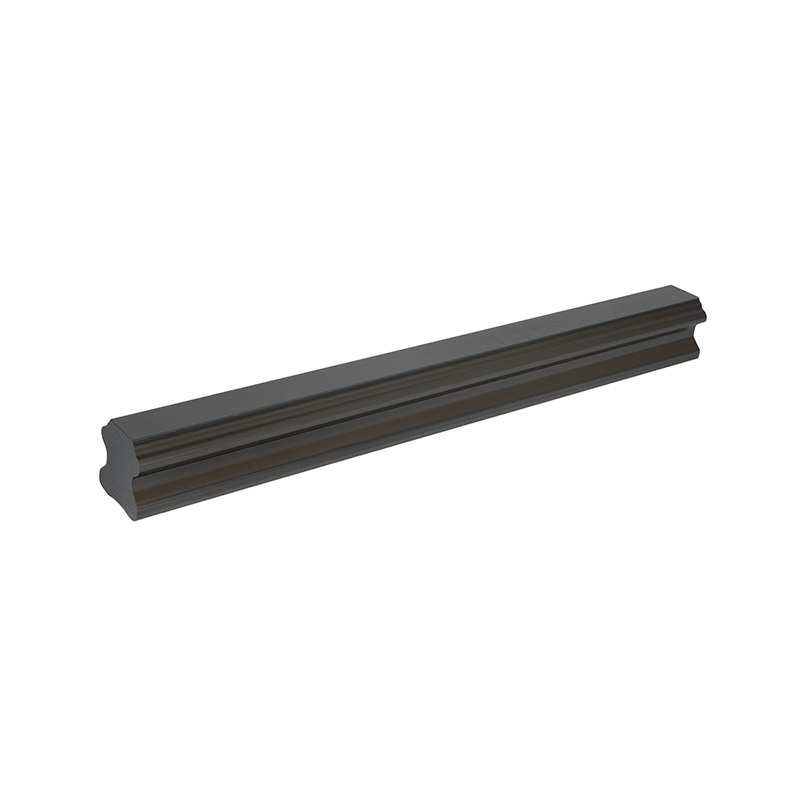 Heavy-Duty Roller Linear Guide Profiles
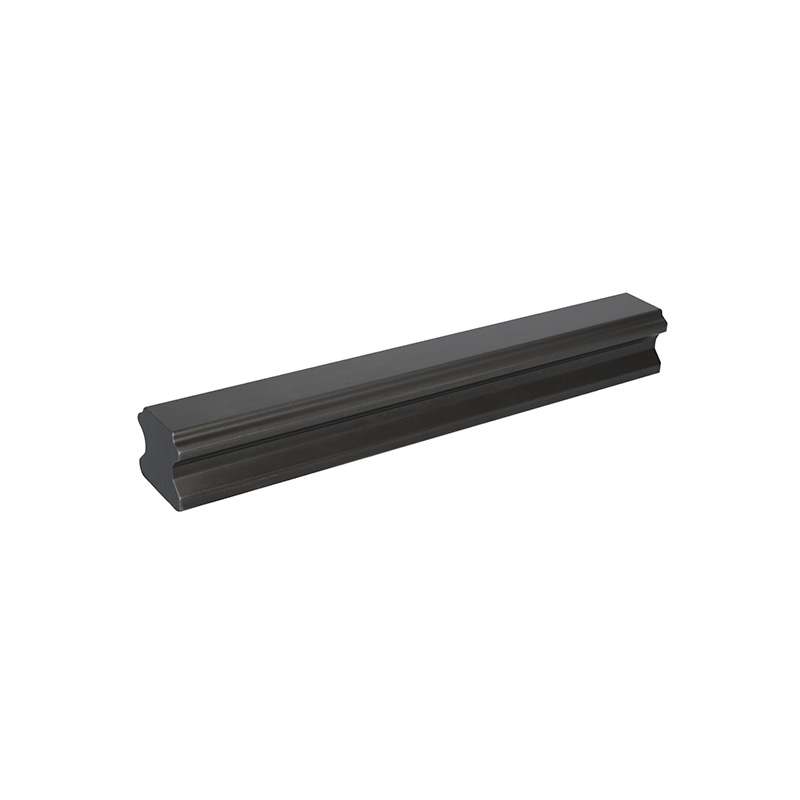 Heavy-Duty Linear Guide Profiles
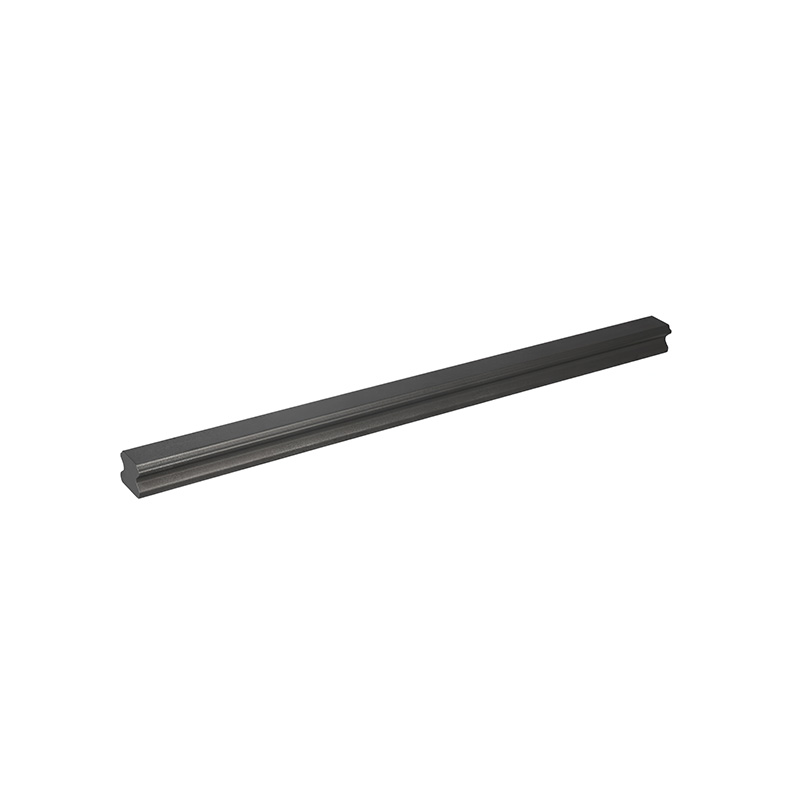 Low-Profile Linear Guide Profiles
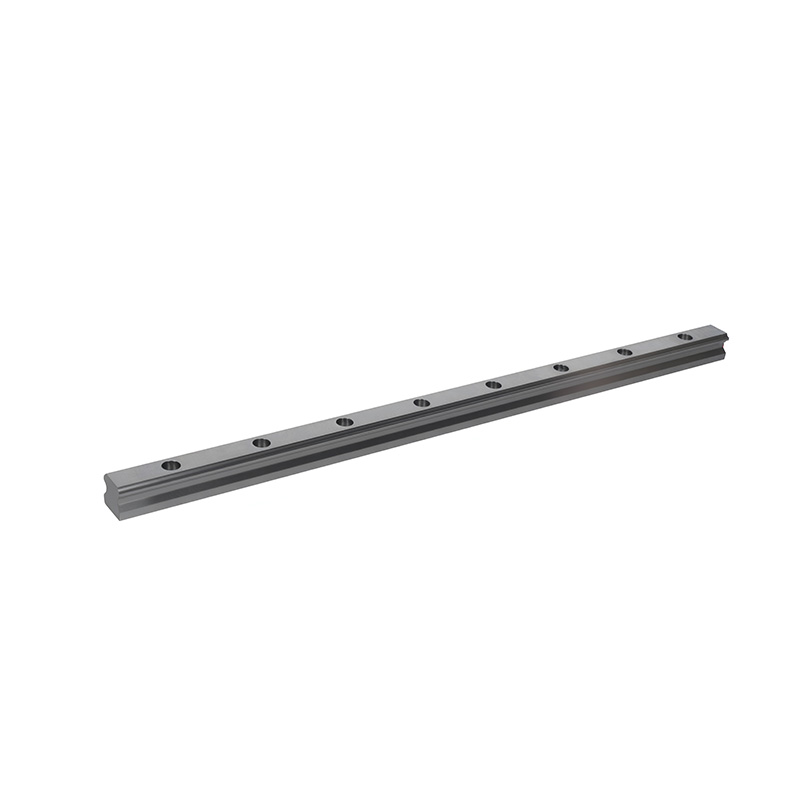 Precision Hardened Linear Guide Profiles with Mounting Holes
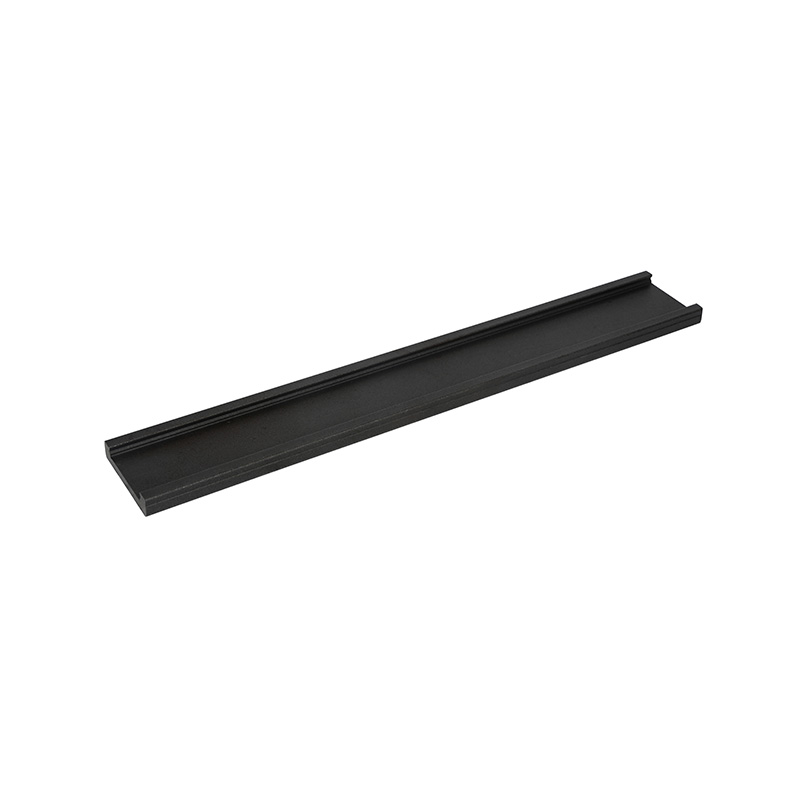 Custom Linear Guide Profiles
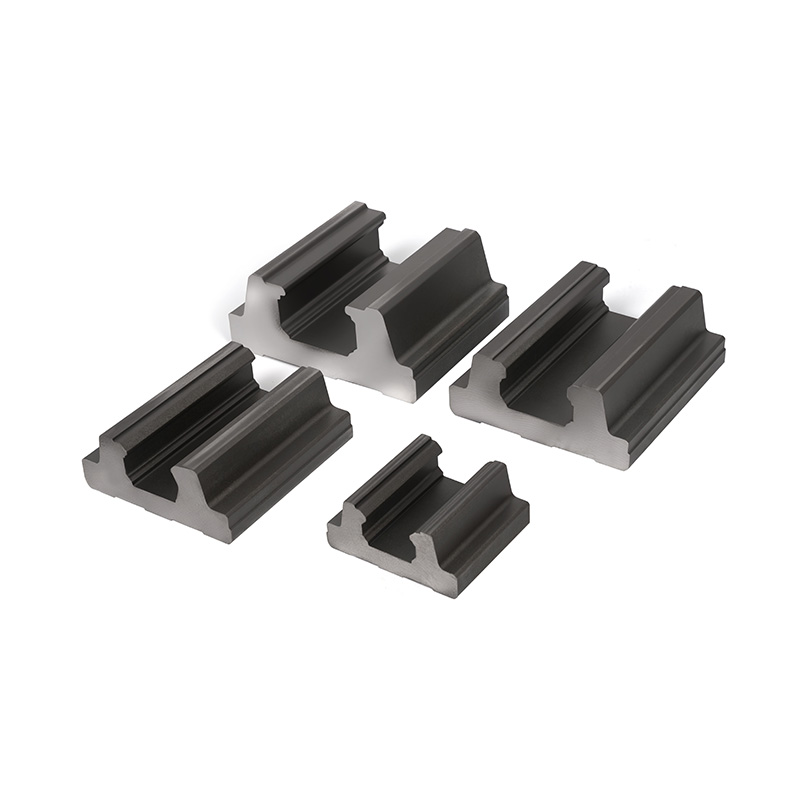 Flange-Type Guide Block Profiles
 Precision-Machined Linear Guide Blocks




 English
 中文简体
 Español