
News Category
Product Category
Linear guide rail steel is often selected by hardness and price per metre, but what decides whether the rail lasts is whether the steel matches the way the rail is actually loaded. A rail that carries a light carriage along a clean bench and a rail that carries a heavy load through dust and vibration are not the same application, and the steel that suits one may fail in the other. Buyers comparing quotations usually look at grade and dimensional tolerance, while the differences that decide whether linear guide rail steel performs sit in through-hardening versus case-hardening, the raceway finish, and how straightness is held over the full length.
A through-hardened rail carries hardness deeper into the section but may be more brittle, while a case-hardened rail keeps a tough core under a hard surface. Buyers should ask which method is used, what case depth is specified, and how hardness is verified along the rail rather than at one point. A rail that measures correct hardness at the end may be softer in the middle if the heat treatment was uneven.
The raceway is where the rolling elements run, and its finish affects friction, noise, and wear. Buyers should ask how the raceway is ground, what surface roughness is specified, and how the profile is checked. A raceway that is too rough wears the balls and generates noise, while one that is too smooth can reduce lubrication retention. The profile tolerance matters as much as the roughness, since a raceway that is slightly off-profile loads the balls unevenly.
Straightness is easy to claim on a short sample and difficult to hold on a full-length rail. Buyers should ask how straightness is measured, over what length, and what tolerance applies. A rail that is straight at the ends but bowed in the middle will bind a carriage, and the problem appears only when the carriage travels the full stroke. Four points are worth checking before ordering:
A rail is only useful if the carriage and the mounting holes align. Buyers should ask about hole pitch, hole diameter, and counterbore depth, and whether the pattern matches the standard the carriage expects. A rail with the correct section but the wrong hole pitch cannot be used, and the error is often discovered only at assembly. The supplier should be able to confirm the hole pattern against the carriage drawing rather than against a catalogue.
Long strokes are often built from several rail lengths joined end to end, and the joint is where alignment problems appear. Buyers should ask how the rail ends are finished, whether a joining piece is supplied, and how alignment is checked after joining. A joint that is slightly misaligned produces a bump that the carriage feels at every pass, and the bump accelerates wear at that point.
Rather than comparing hardness and price per metre, buyers can ask whether the rail is through-hardened or case-hardened, how the raceway is ground and checked, how straightness is measured over the full length, whether the hole pattern matches the carriage, and how rail joints are aligned. Suppliers who answer with measurement records are easier to trust than those who answer with a catalogue page. The rail is a familiar component; the difference lies in whether the steel and the geometry were matched to the way the carriage will load it.
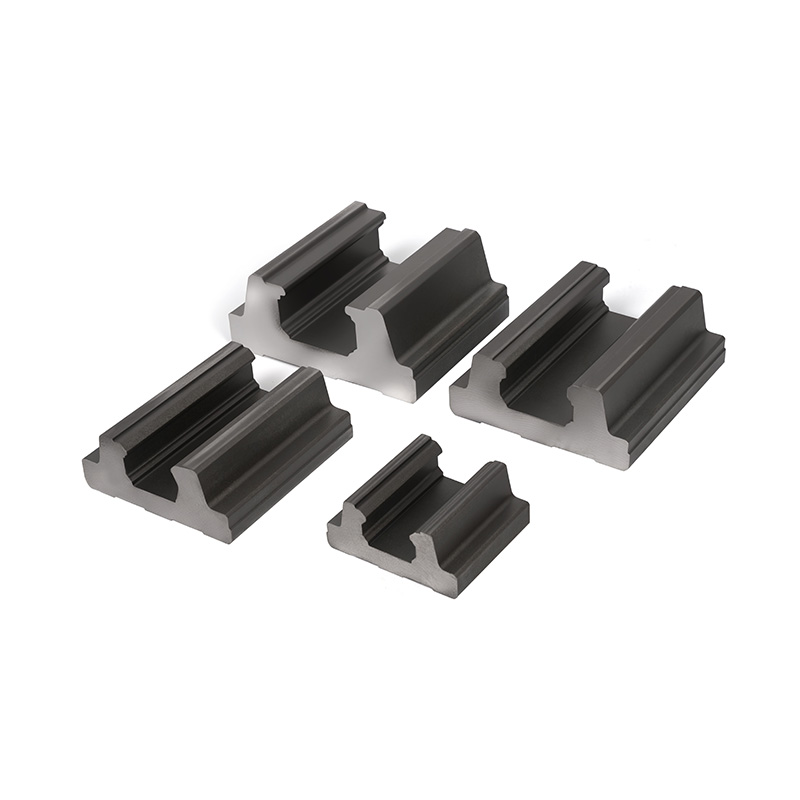
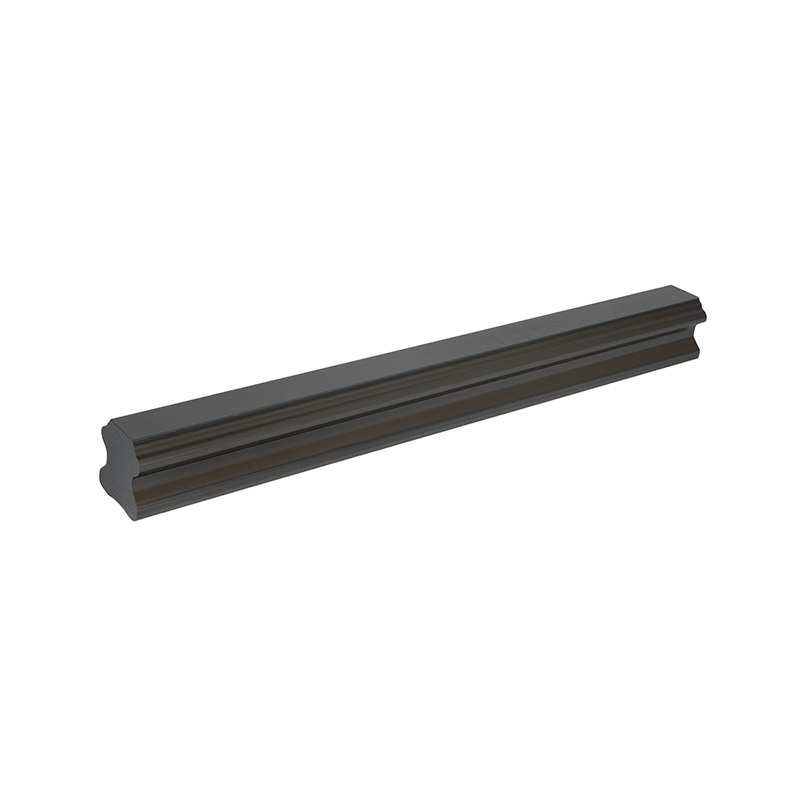 Heavy-Duty Roller Linear Guide Profiles
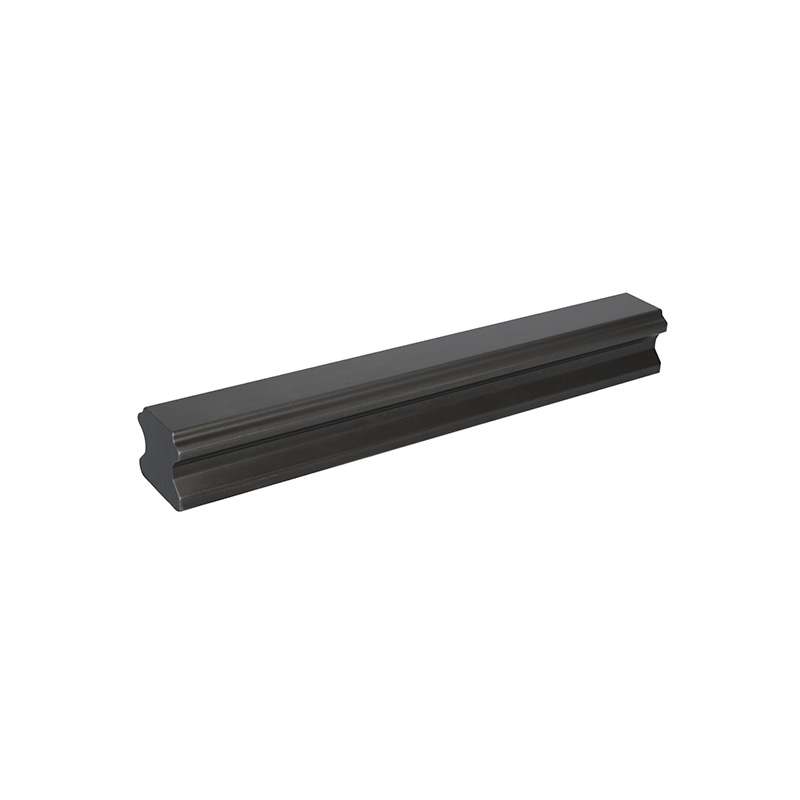 Heavy-Duty Linear Guide Profiles
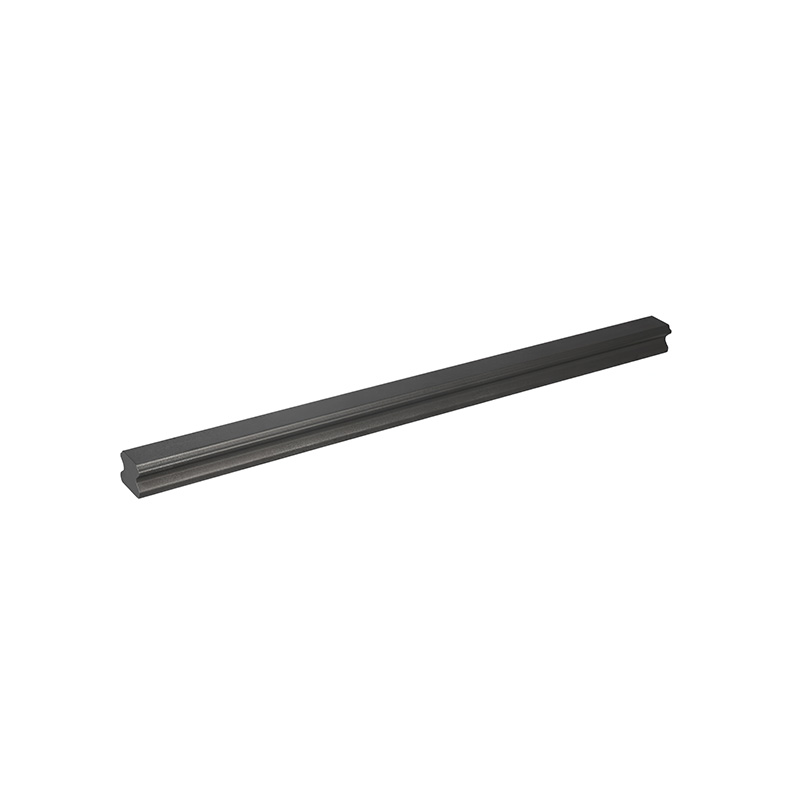 Low-Profile Linear Guide Profiles
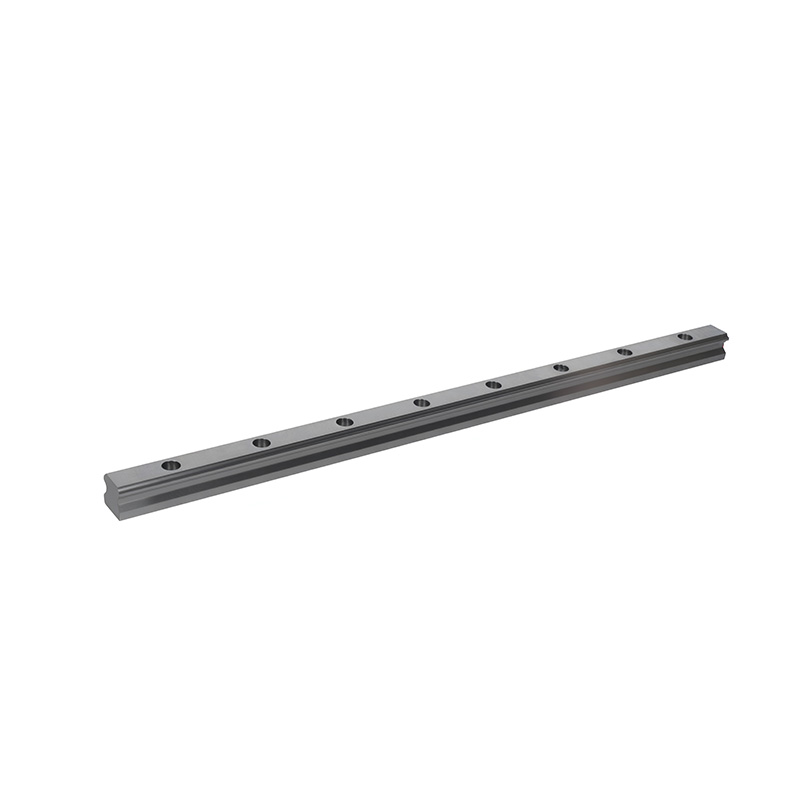 Precision Hardened Linear Guide Profiles with Mounting Holes
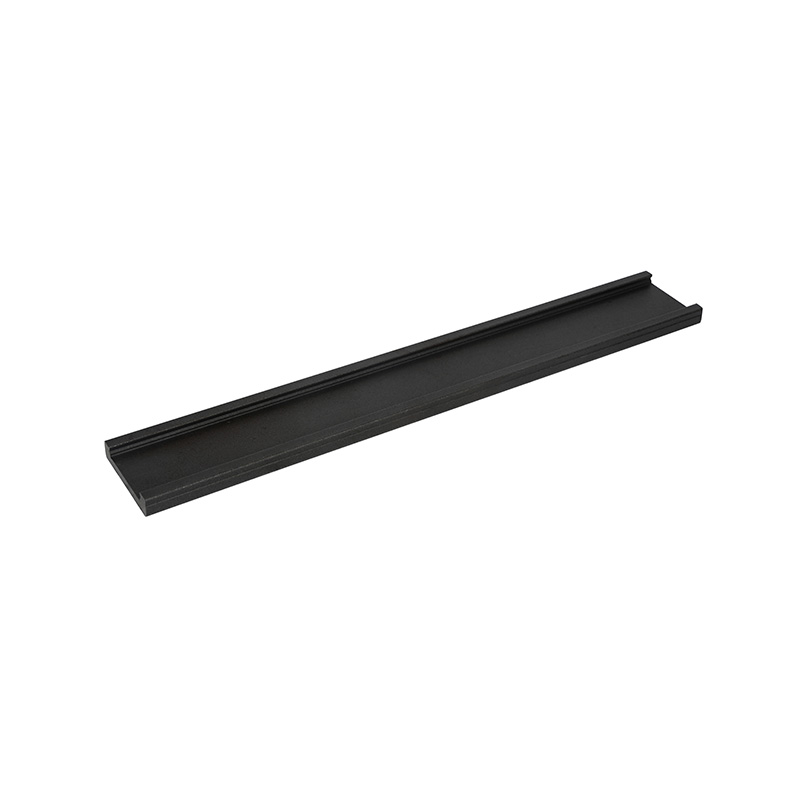 Custom Linear Guide Profiles
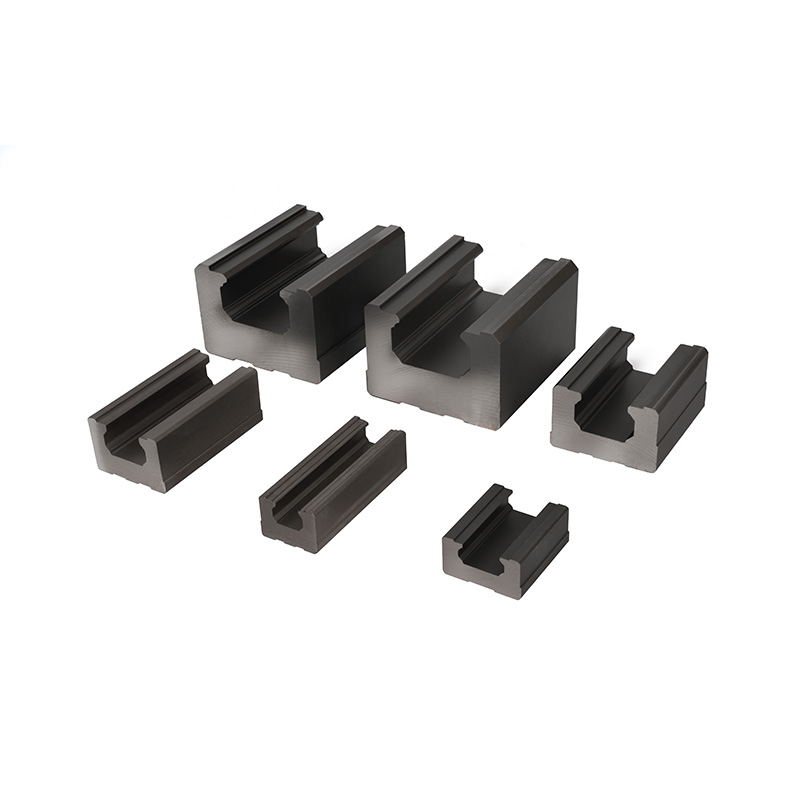 Square Linear Guide Block Profiles
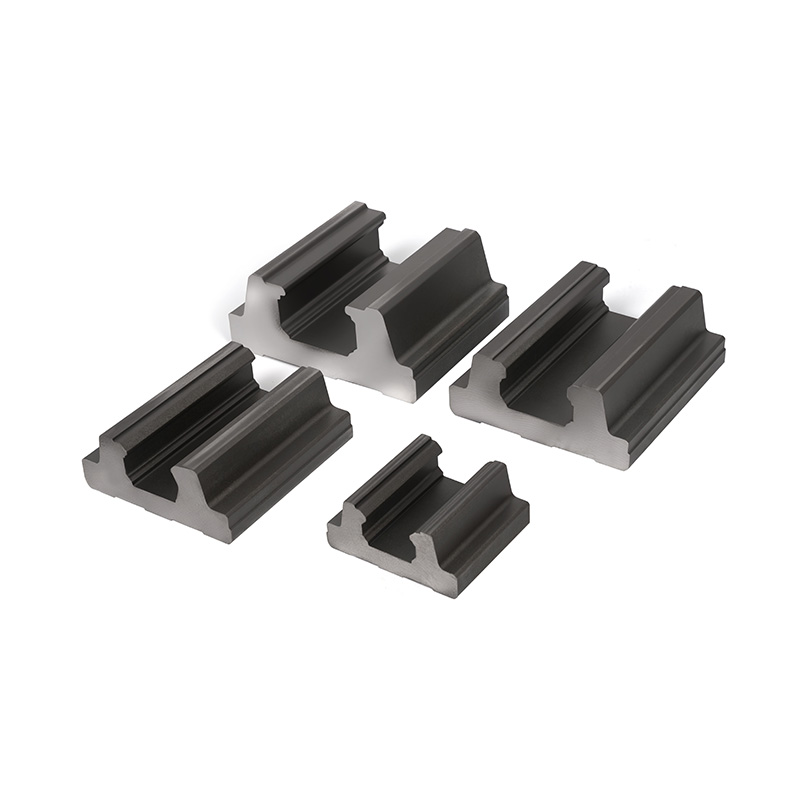 Flange-Type Guide Block Profiles
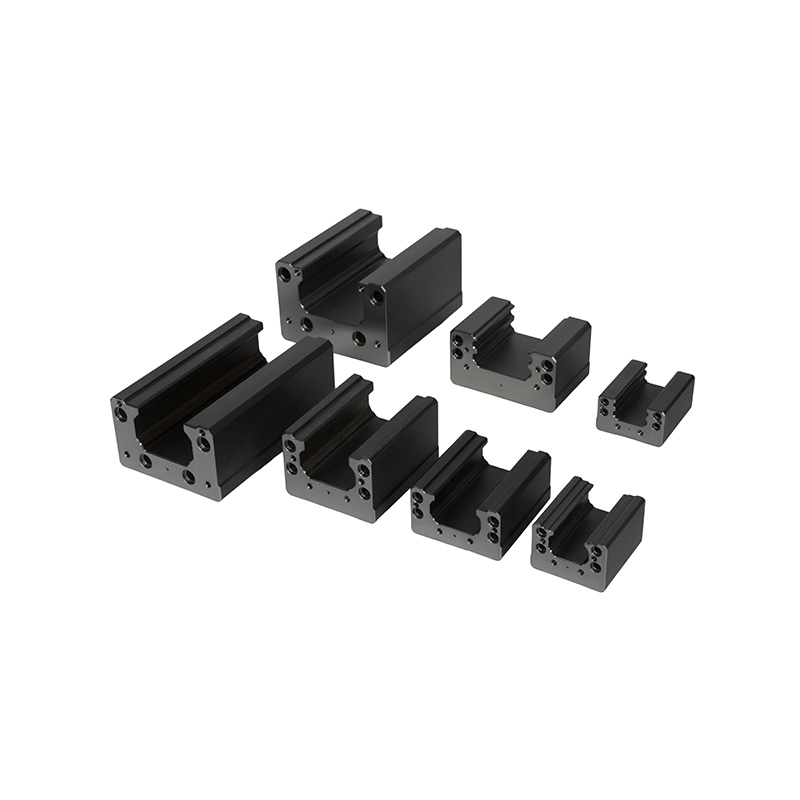 Precision-Machined Linear Guide Blocks



 English
 中文简体
 Español