
News Category
Product Category
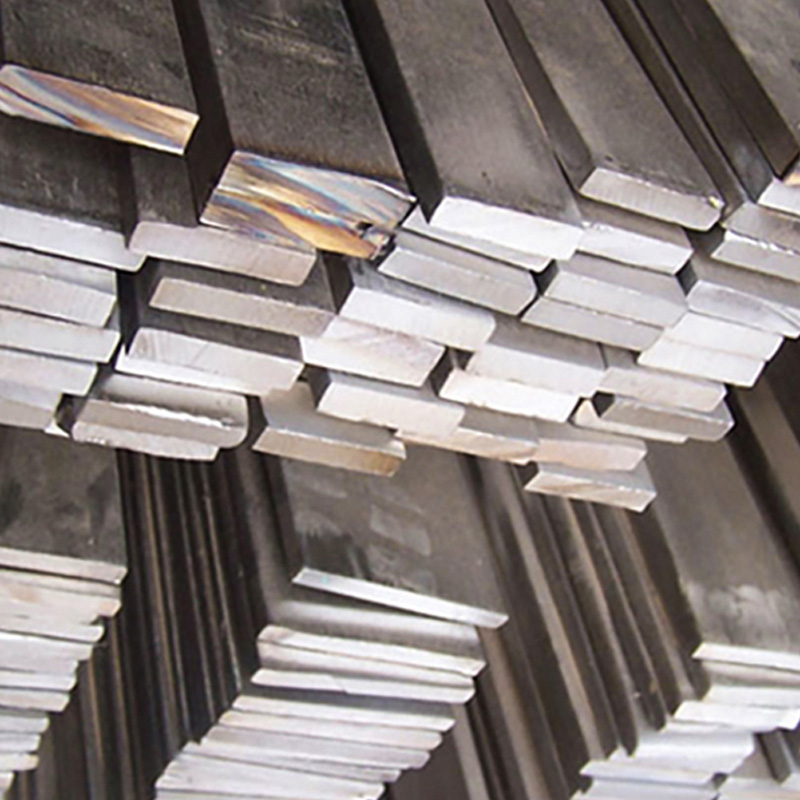
A cold drawn steel profile is a steel shape that is pulled through a die at room temperature to the final cross-section. The drawing process cold-works the steel, which raises the yield strength, tightens the tolerance, and improves the surface finish. The profile comes out close to the final shape, so the customer can cut it and use it without the machining passes that a hot rolled or a forged shape would need. For the automotive supplier, the machinery builder, and the hydraulic component maker, the cold drawn steel profile is the material that arrives already accurate.
The process starts with the hot rolled bar or the wire rod. The bar is pickled to remove the scale, lubricated, and pulled through the carbide die that sets the final cross-section. The drawing reduces the cross-section and cold-works the steel. The result is the profile with the smooth surface, the tight tolerance, and the higher strength.
The cold drawn steel profiles factory controls the die wear, the lubrication, and the drawing speed. The worn die produces the profile that drifts out of tolerance. The proper lubrication controls the friction and the surface finish. The drawing speed affects the strength and the surface.
The cold drawn profiles come in the round, the square, the hexagon, the flat, and the custom shape. The custom shape is the profile the customer designs for the specific part: the spline, the groove, the keyway, the special cross-section. The cold drawn steel profiles factory produces the custom die for the shape.
The cold drawn tolerance is tighter than the hot rolled. The profile comes out with the dimension held to the thousandth. The surface finish is smooth and the scale-free. The customer machines less or not at all.
The cold working raises the yield strength and the hardness. The cold drawn profile is stronger than the same steel in the hot rolled condition. The customer who needs the strength chooses the cold drawn.
Here is what a cold drawn steel profiles factory has to deliver:
The automotive uses the cold drawn profile for the shafts, the fasteners, and the steering components. The machinery builder uses it for the guide rails, the rods, and the pistons. The hydraulic component maker uses it for the cylinder rods and the valve spools.
The profile drifts because the die wore. The cold drawn steel profiles factory replaces the die on the schedule. The surface tears because the lubrication was wrong. The proper lubrication produces the smooth finish. The profile bends because the straightening was not done.
A cold drawn steel profile comes out accurate without the machining. The drawing cold-works. The die sets the shape. Choose a factory that controls the die and the tolerance.
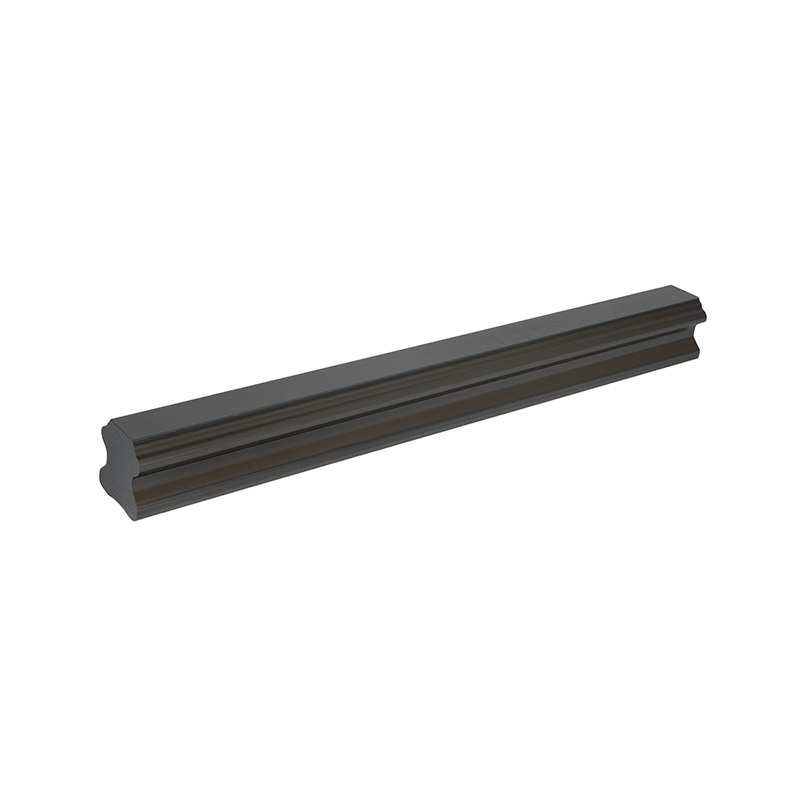 Heavy-Duty Roller Linear Guide Profiles
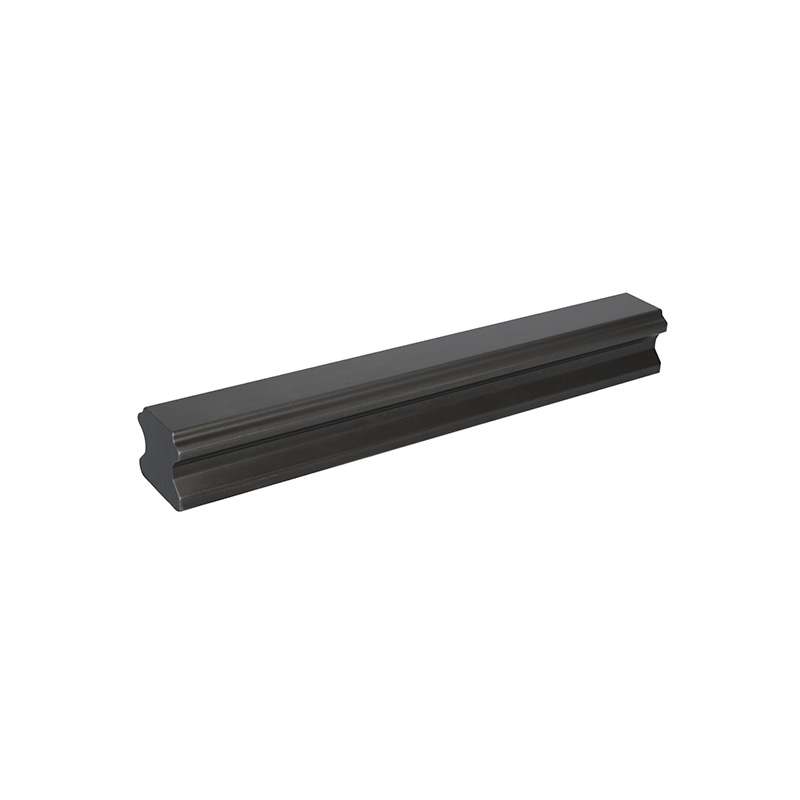 Heavy-Duty Linear Guide Profiles
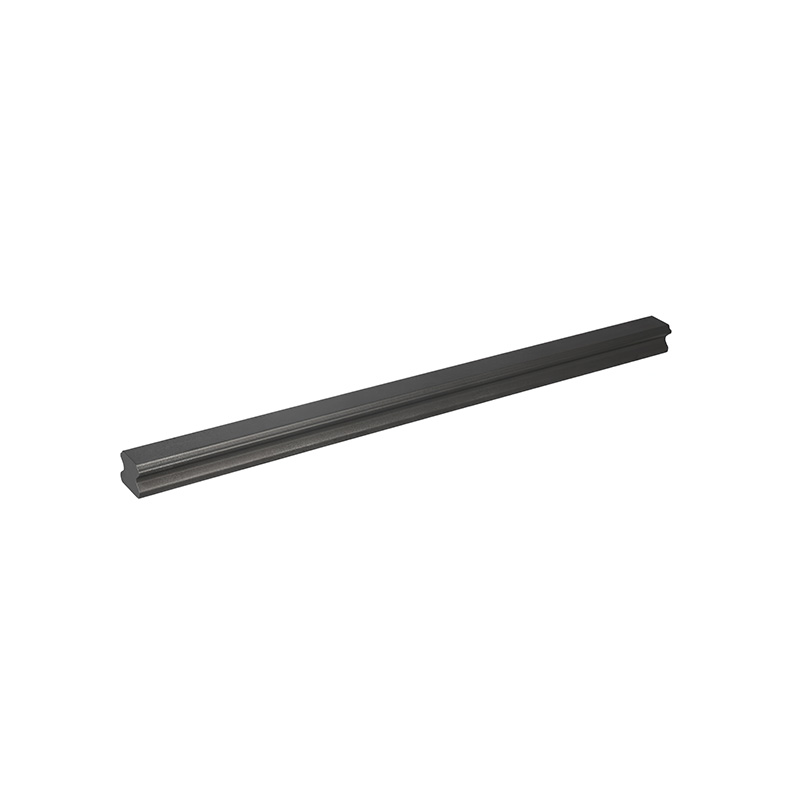 Low-Profile Linear Guide Profiles
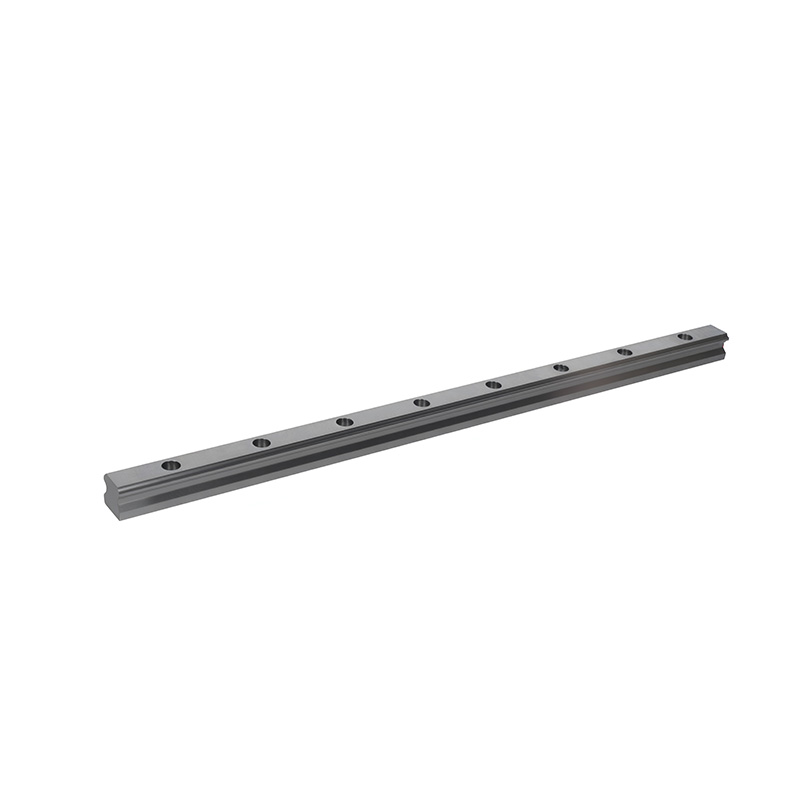 Precision Hardened Linear Guide Profiles with Mounting Holes
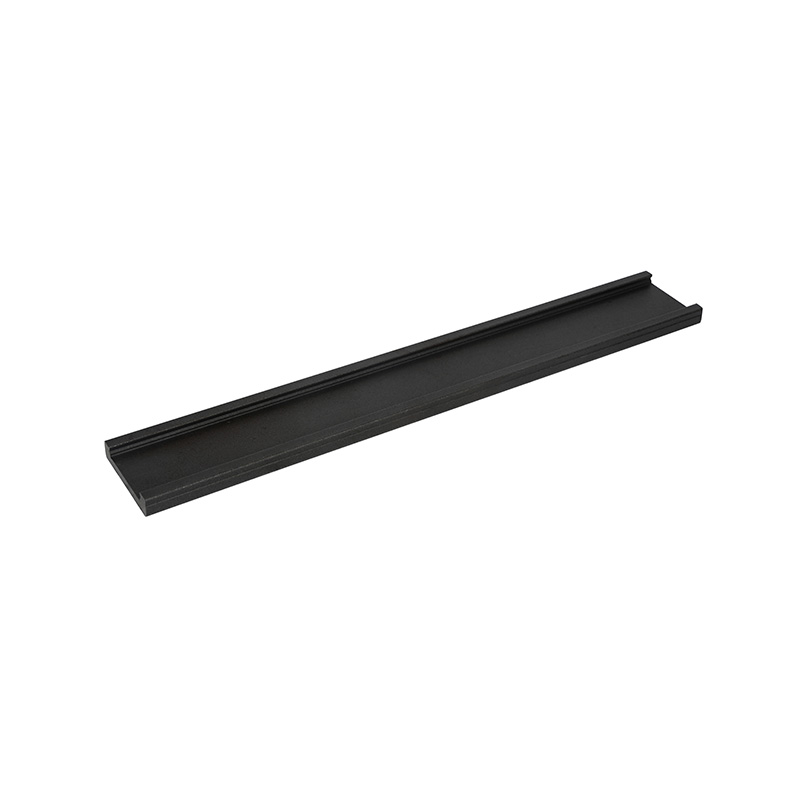 Custom Linear Guide Profiles
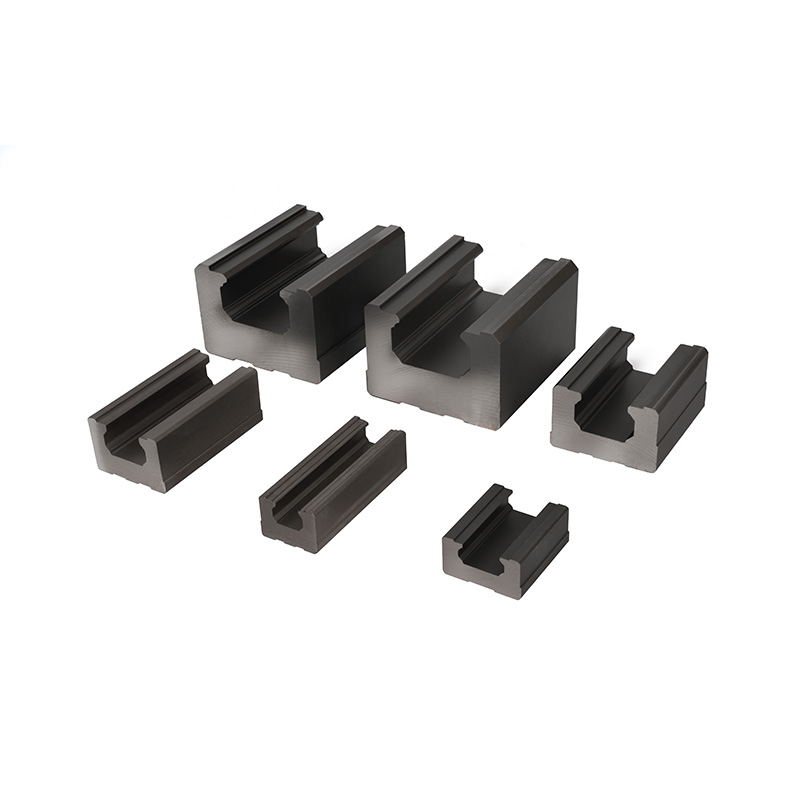 Square Linear Guide Block Profiles
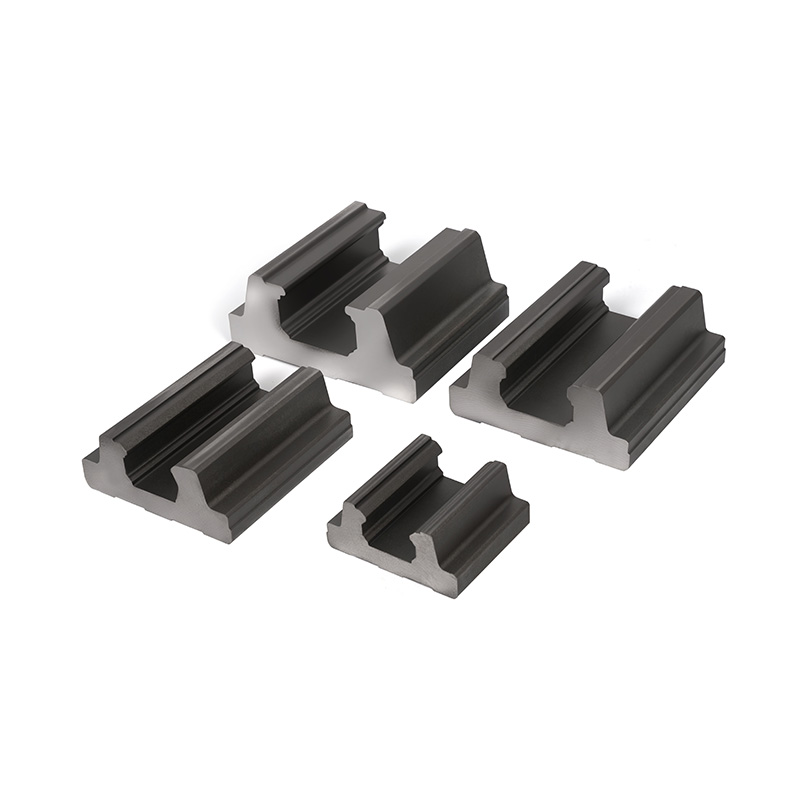 Flange-Type Guide Block Profiles
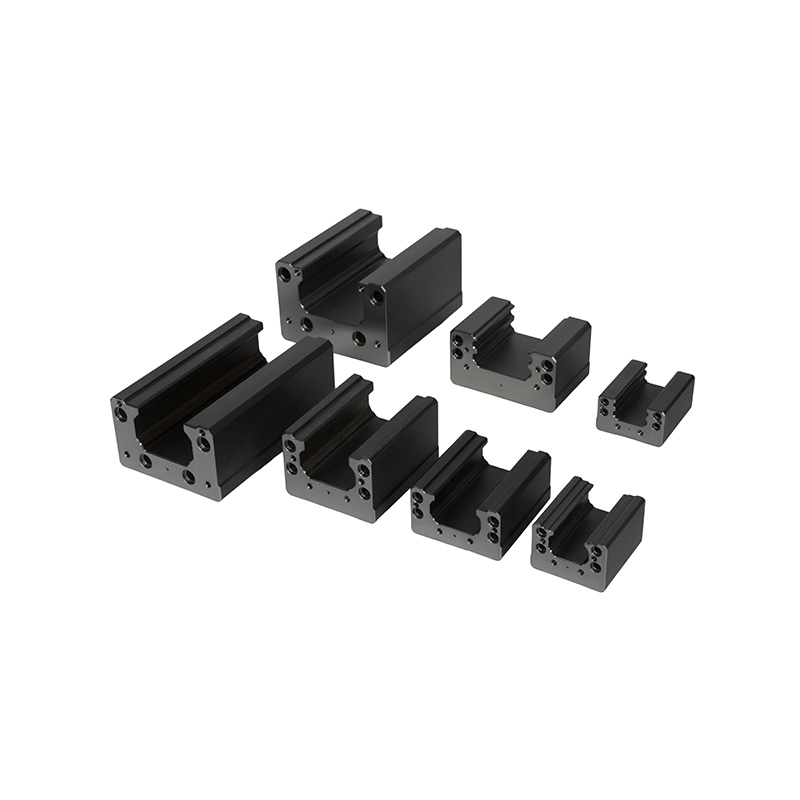 Precision-Machined Linear Guide Blocks



 English
 中文简体
 Español