
News Category
Product Category
Installation Method of Linear Guide Rails
Before installing the linear guide rail, it is necessary to remove burrs, dirt, and surface blemishes from the mechanical mounting surface. Linear guide rails are coated with anti-rust oil before formal installation. Please clean the reference surface with a cleaning oil before installation. Generally, after the anti-rust oil is removed, the reference surface is more prone to rust, so it is recommended to apply a low-viscosity spindle lubricating oil.
Gently place the master rail on the machine bed. Use lateral fixing screws or other fixing fixtures to lightly bring the rail into contact with the lateral mounting surface. Before installation, confirm whether the screw holes align. If the base's machined holes do not align and the bolts are forcibly tightened, the assembly accuracy and usage quality will be greatly affected.
Starting from the far end and moving toward the near end, slightly tighten the positioning screws of the rail in sequence so that the rail lightly contacts the vertical mounting surface. After lightly tightening against the vertical reference surface, increase the locking force on the lateral reference surface to ensure the master rail fully contacts the lateral reference surface.
Use a torque wrench to gradually tighten the positioning screws of the rail according to the tightening torque values for the respective materials. When installing the rail, select the tightening torque based on the platform material and the type of fixing screws. Use a torque wrench to slowly tighten the rail bolts.
Install the auxiliary rail using the same method. Note that after the slide blocks are mounted on the linear guide rails, many subsequent accessories cannot be installed due to limited installation space. Therefore, all necessary accessories must be installed at this stage.
Gently place the moving platform onto the slide blocks of the master rail and auxiliary rail.
First tighten the lateral locking screws on the moving platform. After positioning is complete, proceed in the following order.
Installation When the Rail Has No Lateral Positioning Reference Surface
First, place the guide rail on a flat surface. Lightly fix both ends of the rail with bolts, and place a straightedge next to it. Position the straightedge parallel to the rail, and move a dial gauge along the straightedge to measure the distance between A1 and A2. Fine-tune the rail based on the straightedge until the dial gauge reading meets expectations.
Starting from the far end and moving toward the near end, tighten the screws in sequence. Refer to the torque values in the previous example. After all bolts are tightened, move a dial gauge from one end of the rail to the other to ensure parallelism. When there is no lateral positioning reference surface, if screws are tightened starting from the middle of the rail, friction between the bolts and mounting holes can easily cause slight S-shaped deformation of the rail. Therefore, it is recommended to tighten the screws sequentially from the far end to the near end.
The now fully fixed guide rail can be used as a reference rail. Temporarily install one screw at each end of the driven rail. Then place dial gauges on the two slide blocks of the reference rail. Move the dial gauge while reading it, and sequentially tighten the bolts of the adjustment rail from one end to the other.
Install the moving platform onto the slide blocks of the guide rails in the order shown in the diagram. Push the platform to see if it moves smoothly without sticking. If there is any sticking, adjust the screws on the guide rail blocks until the platform slides smoothly.
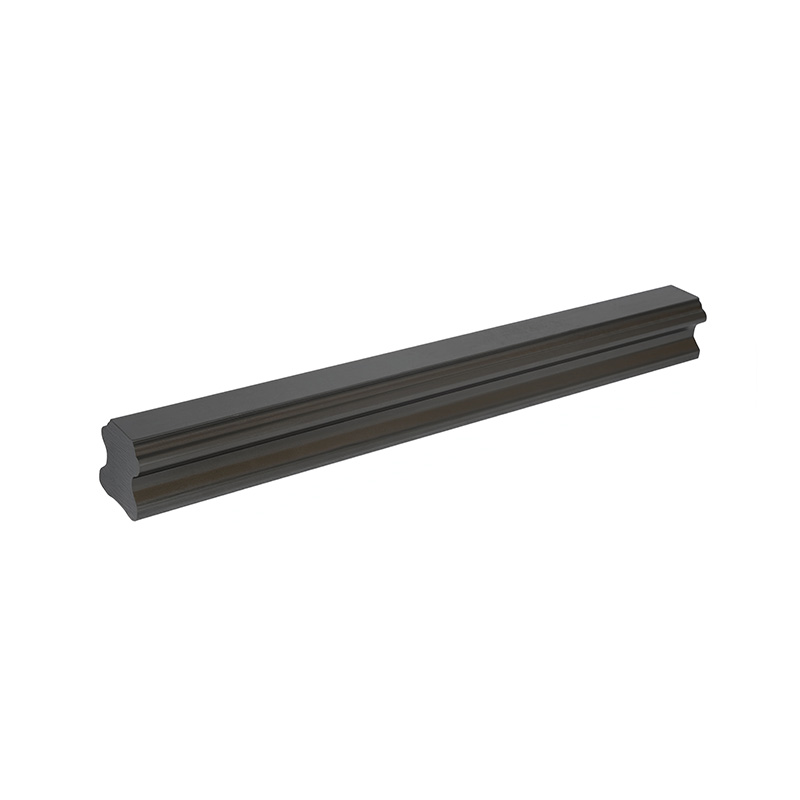 Heavy-Duty Roller Linear Guide Profiles
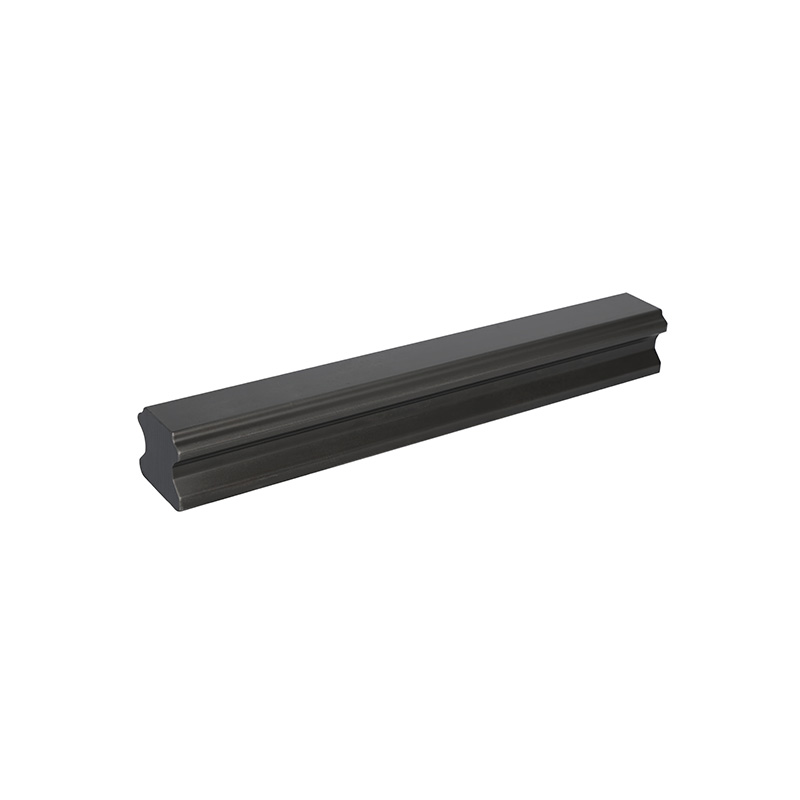 Heavy-Duty Linear Guide Profiles
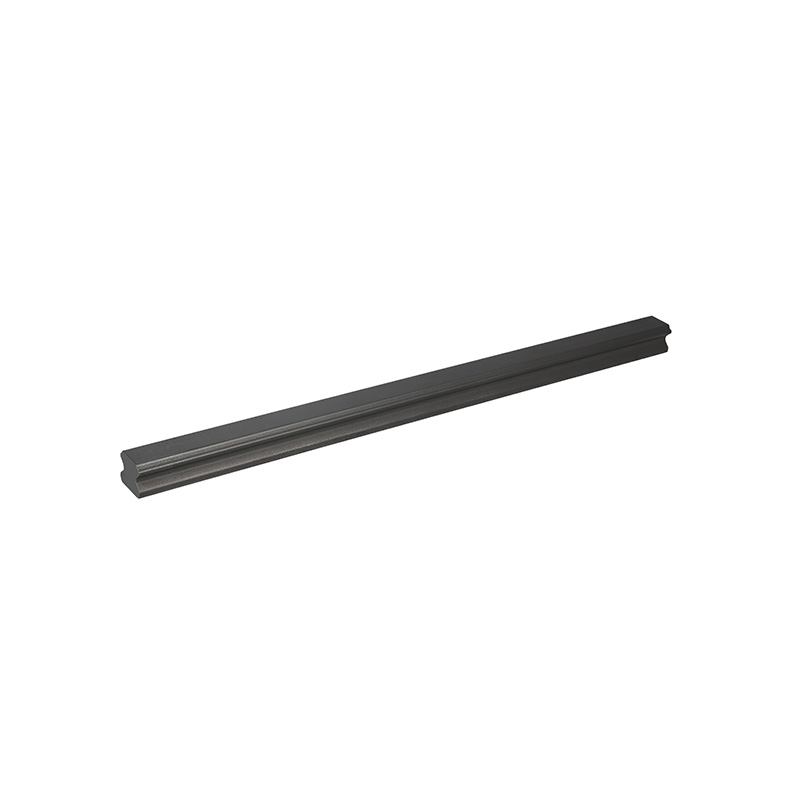 Low-Profile Linear Guide Profiles
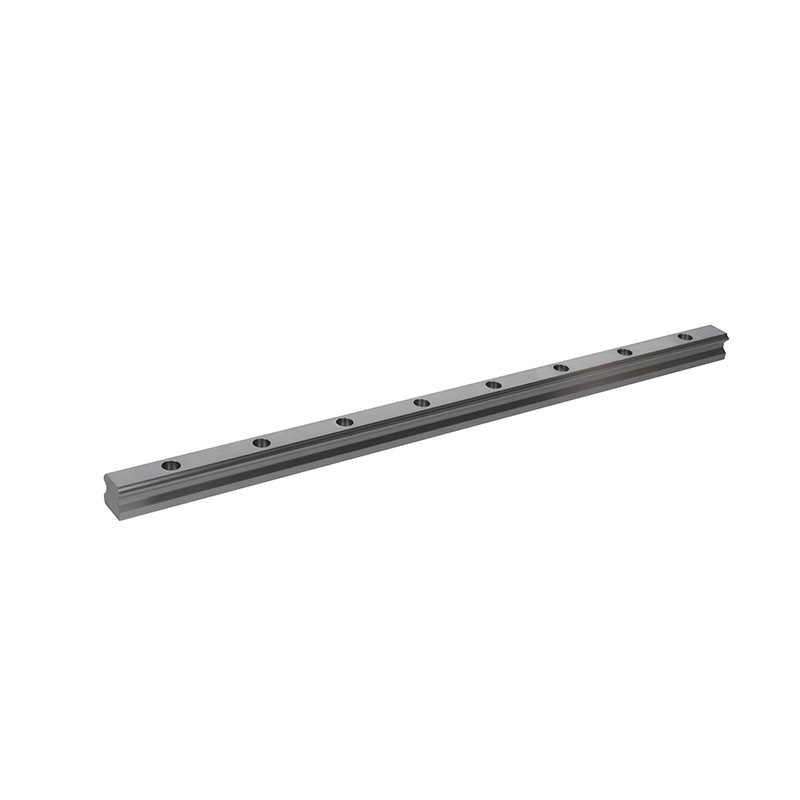 Precision Hardened Linear Guide Profiles with Mounting Holes
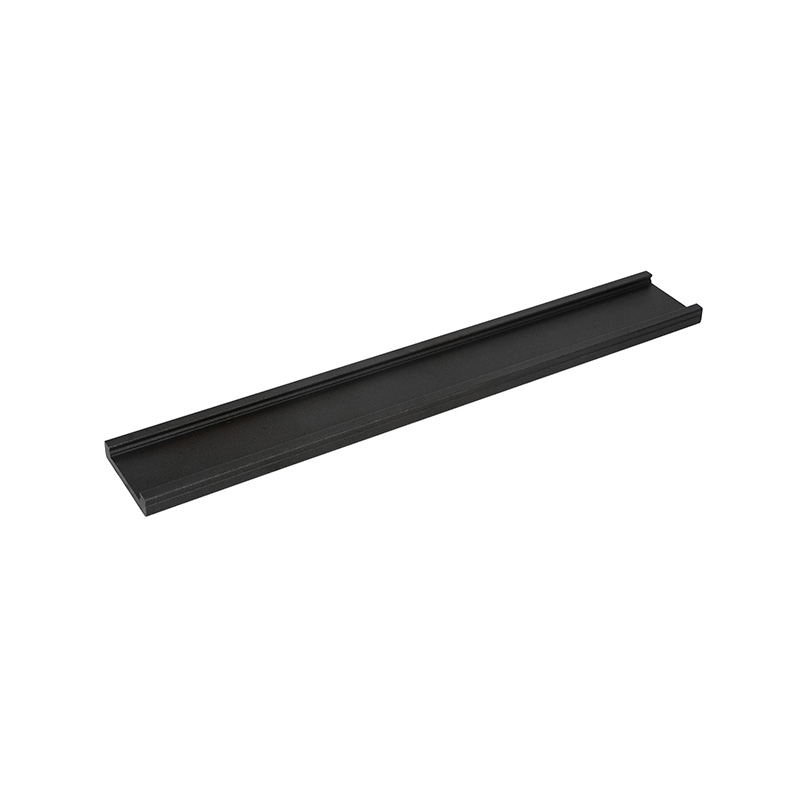 Custom Linear Guide Profiles
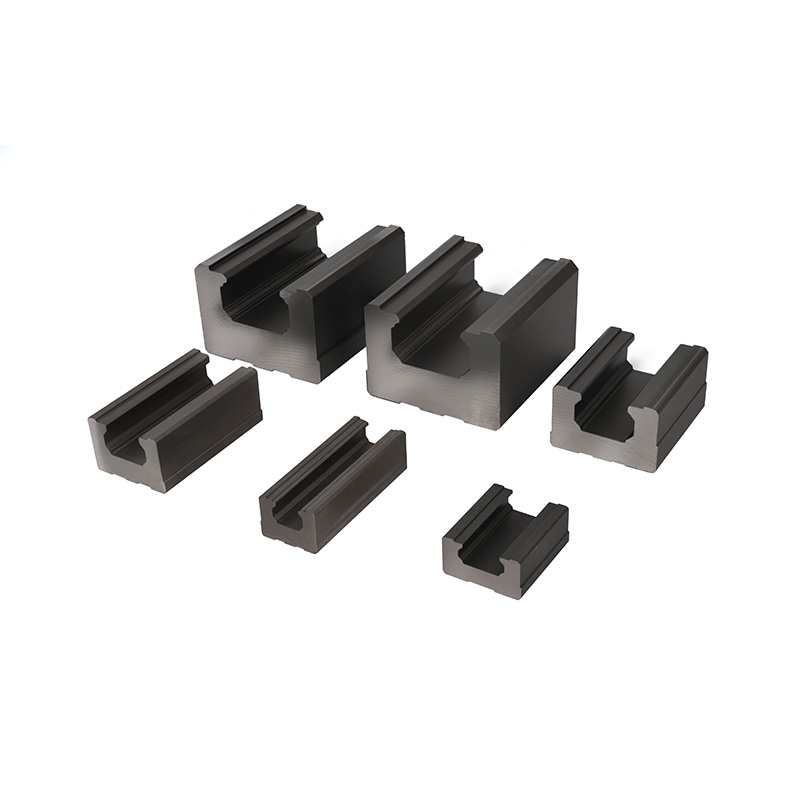 Square Linear Guide Block Profiles
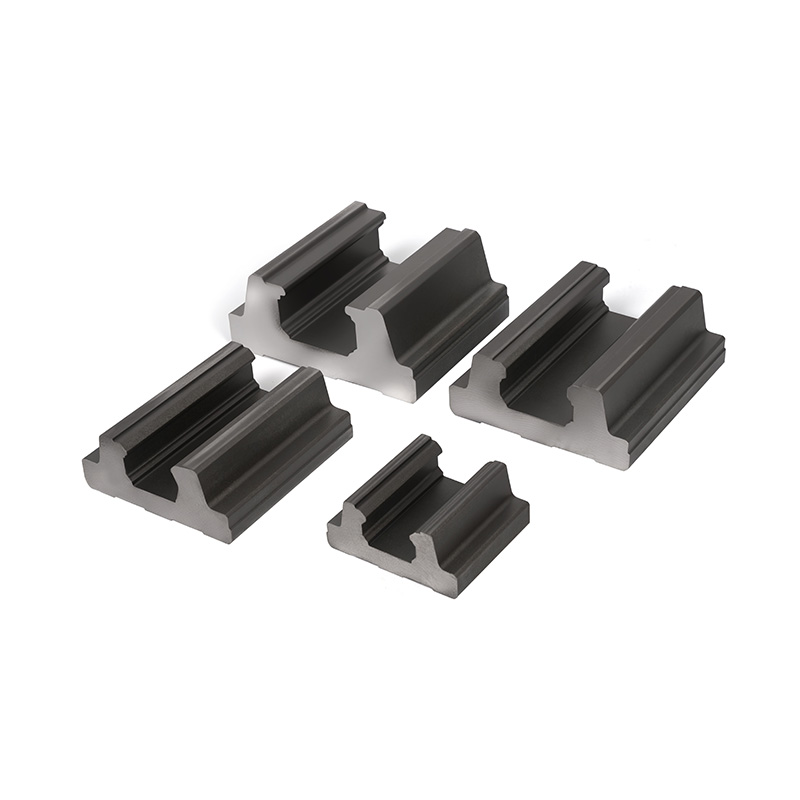 Flange-Type Guide Block Profiles
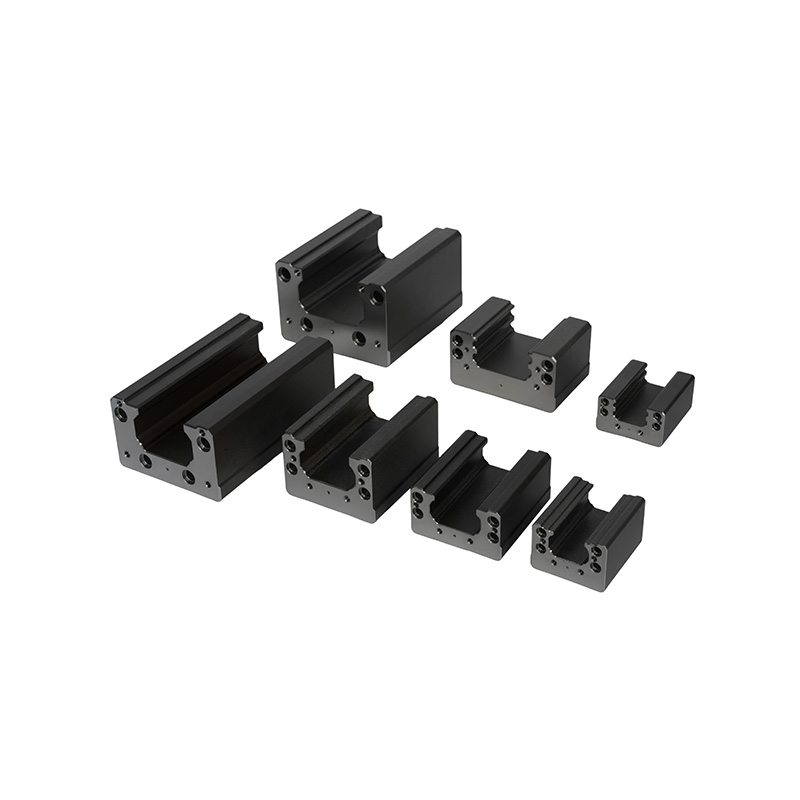 Precision-Machined Linear Guide Blocks



 English
 中文简体
中文简体 Español